The Gap Between What You Expect and What You Get
Roadside assistance plans are genuinely useful - but they're widely misunderstood. Many drivers assume a plan is a comprehensive safety net, then discover mid-trip that their specific situation falls outside coverage. Understanding typical inclusions and exclusions ahead of time lets you make smarter decisions about what physical gear to carry and when to rely on your own resources.
This article addresses the most common misconceptions drivers hold about roadside assistance, corrects the record, and explains why a well-stocked vehicle remains essential regardless of your plan. For a practical rundown of what to physically carry, see our road trip packing guide.
Myth
Roadside assistance will tow my car anywhere I need it to go.
Fact
Most plans include towing only up to a set mileage limit - commonly 5 to 15 miles - before additional charges apply.
Towing is typically the flagship benefit advertised by roadside plans, but the fine print usually specifies a maximum tow distance per incident. If your nearest in-network repair facility is farther than that limit - common in rural areas - you'll pay out of pocket for the overage. Some premium tiers offer longer or unlimited towing, but those are not the default. Before assuming you're covered door-to-door, check the mileage cap in your specific plan's terms.
Myth
Roadside assistance covers whatever parts are needed to get me moving again.
Fact
Plans cover the service call and labor to deliver or install emergency items; the cost of parts and fluids is almost always the driver's responsibility.
If a technician delivers two gallons of fuel or installs a spare tire, that service dispatch is typically covered. But the fuel itself, a replacement battery, or any other component needed to complete the repair is billed separately. This distinction catches drivers off guard, particularly in situations involving dead batteries or tire damage where part costs can be substantial. Keeping a basic understanding of key vehicle components helps you anticipate these costs rather than be surprised by them.
Myth
I can use my roadside assistance as many times as I need in a year.
Fact
Nearly all standard plans cap the number of service calls per year - typically three to five - after which claims may be denied or flagged.
Unlimited use plans exist but are uncommon at base pricing tiers. Frequent claims can also result in non-renewal or rate increases at some providers, similar to how auto insurance works. Understanding your annual call limit matters most for households with older, higher-maintenance vehicles or for long multi-week road trips where the probability of needing assistance is elevated.
Myth
Off-road recovery is just a standard tow, so it's covered.
Fact
Vehicle recovery from off-road terrain - mud, sand, trails, ditches - is explicitly excluded from most standard roadside assistance plans.
Recovery and towing are operationally different services. Extraction from soft terrain or non-paved surfaces requires specialized equipment and carries higher liability, which is why most plans exclude it categorically. Drivers who regularly travel off-pavement should verify whether their plan offers an off-road recovery add-on, and should carry a recovery kit regardless - response times in backcountry settings make self-recovery a practical necessity before any dispatch could arrive.
Myth
My roadside assistance plan fully covers my RV or travel trailer.
Fact
RV and trailer coverage is often sold as a separate tier or add-on, and even then it may exclude certain vehicle classes, lengths, or system types.
Standard personal-vehicle plans frequently exclude vehicles over a certain gross vehicle weight rating (GVWR) or length. Even plans marketed as RV-compatible may not cover motorhome slideout failures, onboard appliances, or issues related to the living quarters rather than the drivetrain. If you travel by RV, review our RV maintenance hub for general upkeep guidance that reduces breakdown risk, and confirm your plan's specific RV terms before departure.
Where Physical Gear Remains Non-Negotiable
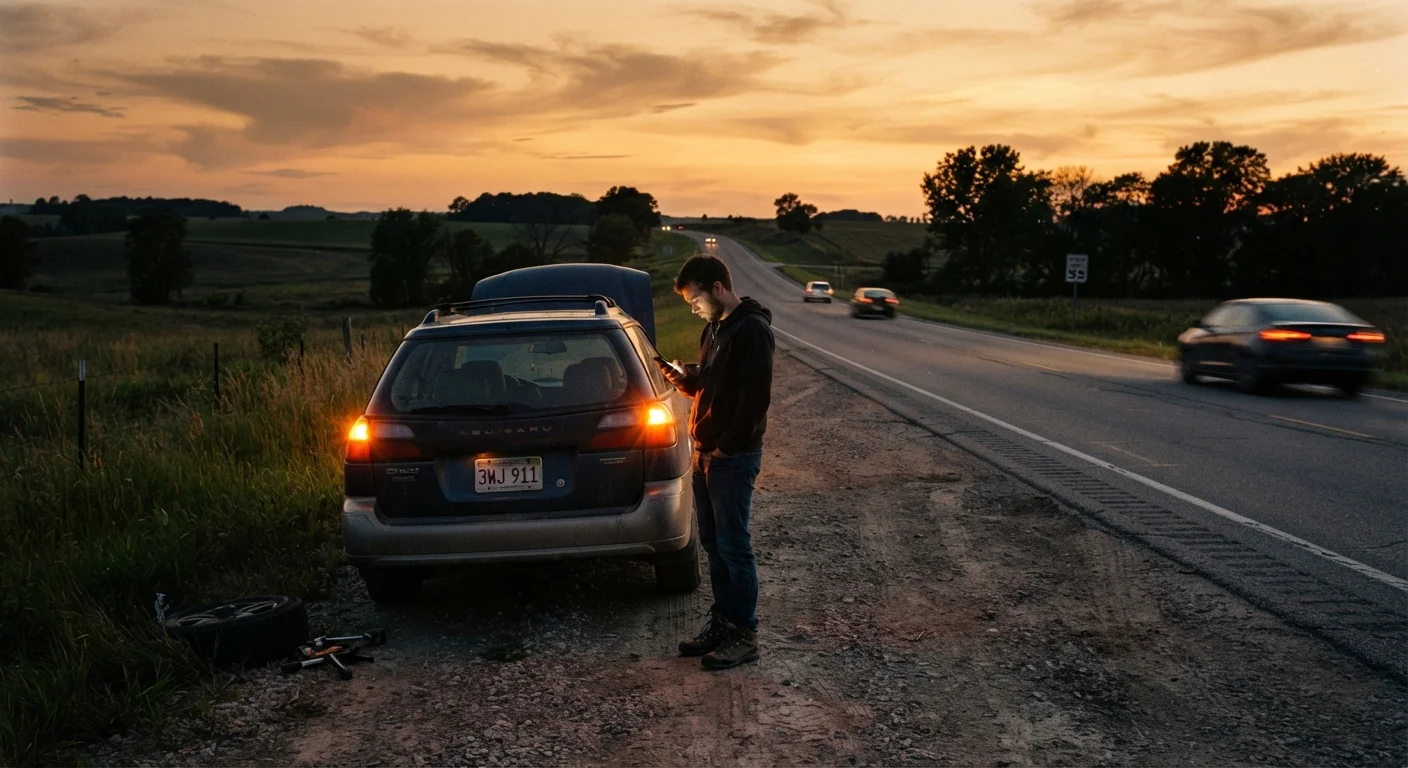
Even the most comprehensive roadside assistance plan has response-time windows that can stretch to hours in remote areas. In those intervals, having the right equipment on hand is the difference between a manageable inconvenience and a genuine safety situation.
45-90 min
Typical roadside assistance wait time
Industry estimates suggest average response times in suburban areas; rural waits can extend significantly beyond this range depending on service provider density.
~30%
Drivers without emergency kit in vehicle
Surveys conducted by automotive safety organizations in the US suggest roughly one in three drivers does not carry a dedicated emergency kit.
For drivers heading off-pavement, the coverage gap is wider still. Most standard plans won't dispatch a truck onto unpaved trails or to GPS coordinates without a named address. Our guide to off-road recovery kits covers what a practical trail kit should include. RV travelers face an additional layer of complexity - even plans that advertise RV coverage may exclude specific chassis types or slideout mechanisms. Review our RV pre-trip inspection checklist to reduce the likelihood of needing assistance in the first place.
The honest position is that roadside assistance and a physical emergency kit aren't competing choices - they serve different failure modes. A plan handles logistics when a tow is unavoidable; your kit handles the situations you can resolve yourself. See our emergency roadside kit explainer for a component-by-component breakdown of what belongs in every vehicle.
Don't Assume Coverage Without Checking
Roadside assistance terms vary significantly between auto insurance add-ons, manufacturer programs, credit card benefits, and standalone memberships. A benefit that applies to your personal vehicle may not extend to a rental, a borrowed vehicle, or a trailer. Always verify coverage specifics for your exact vehicle and situation before a long trip - not while stranded on the shoulder.
This article provides general educational information about roadside assistance plans. Coverage terms, limits, and exclusions vary significantly between providers and plans. Always review your specific plan documents before relying on any coverage assumption.