Understanding the Core Trade-Offs
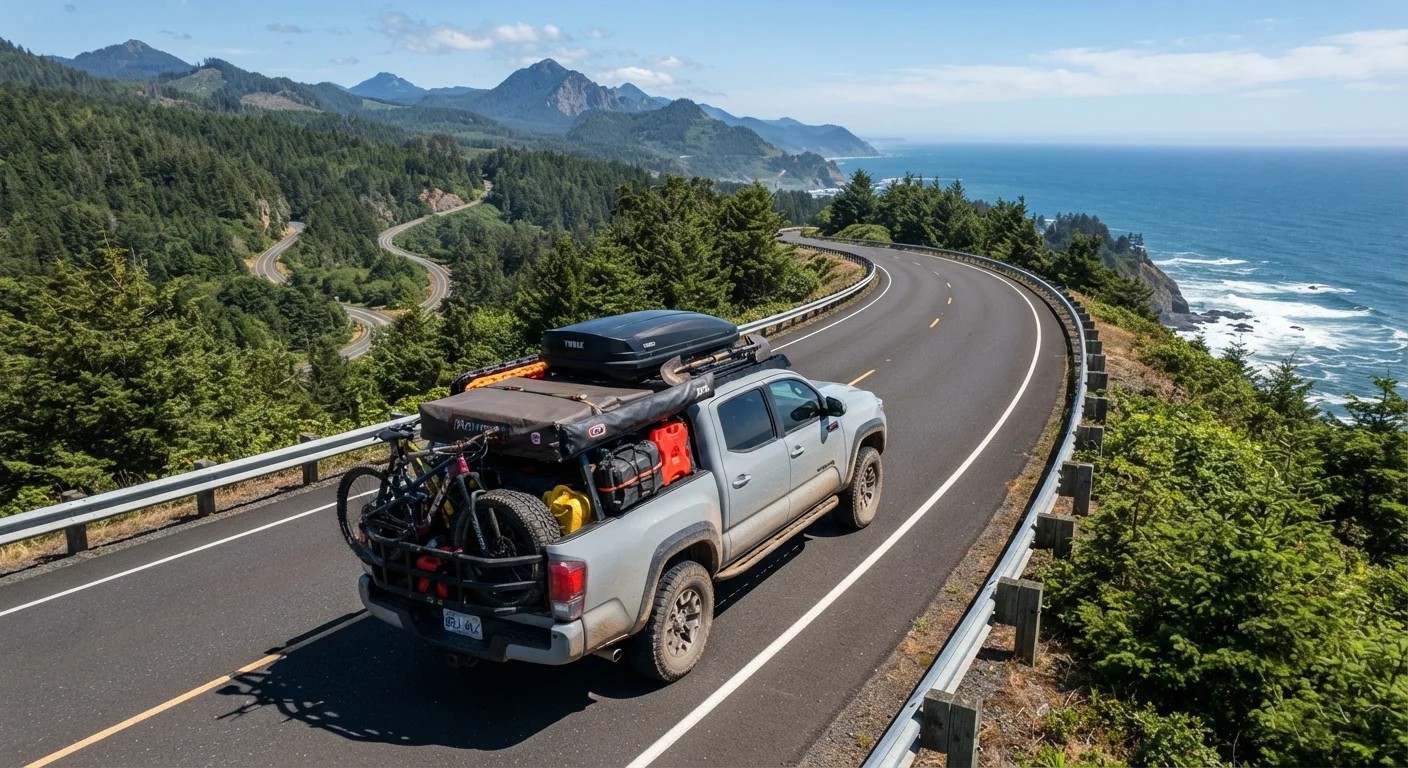
Hauling accessories fall into two broad camps: those that use your vehicle's roof and those that extend its cargo bed. Each imposes distinct compromises on your vehicle's aerodynamics, center of gravity, access convenience, and usability in different environments.
Before comparing specific formats, it helps to identify your actual hauling profile. Ask: How often do you carry oversized gear? What's the typical load - gear bags, building materials, recreational equipment? Do you need weather protection? Will the setup stay on permanently or come off between trips? The answers narrow the field quickly.
For context on how truck bed dimensions interact with any of these accessories, see how truck bed configurations affect usability.
| Roof Rack | Cargo Box | Bed Extender | |
|---|---|---|---|
| Vehicle compatibility | Most cars, SUVs, trucks | Most cars, SUVs, trucks | Pickup trucks only |
| Weather protection | None (open air) | Full (enclosed, lockable) | None (open air) |
| Fuel economy impact | Low when unloaded, moderate loaded | Moderate to significant (shape-dependent) | Minimal |
| Height clearance concern | Minor | Significant (adds 12-16 in.) | None |
| Load versatility | High with attachments | Moderate (enclosed volume) | Low (long/flat items only) |
| Installation complexity | Moderate (mount-specific) | Moderate (requires rack first) | Low (hitch receiver) |
| Typical payload capacity | 150-200 lbs (dynamic limit lower) | Limited by rack and box weight | Varies by hitch class |
| Ease of removal | Moderate | Moderate to difficult | Easy |
Roof Racks: Adaptable but Not Without Cost
A crossbar roof rack is the most flexible hauling platform available to cars and SUVs. The system itself is relatively low-profile when unloaded, and modular attachments - ski carriers, kayak saddles, cargo baskets - can be swapped in and out based on the trip. That adaptability is genuine, not marketing language.
The trade-offs are real, though. Any load mounted above the roofline raises the vehicle's center of gravity. Tall, boxy loads catch wind and noticeably increase fuel consumption at highway speeds. Manufacturers publish static load ratings - typically 150 to 200 lbs for factory crossbars - but dynamic load limits (while driving) are lower. Overloading a roof rack is a safety risk, not just a warranty issue.
Check Dynamic vs. Static Load Ratings
Roof rack load ratings are often quoted as static figures - the weight the system can hold while parked. Dynamic ratings, which apply while the vehicle is in motion, are typically lower. Always verify the dynamic limit in your vehicle owner's manual or rack documentation, and stay well within it when driving at highway speeds.
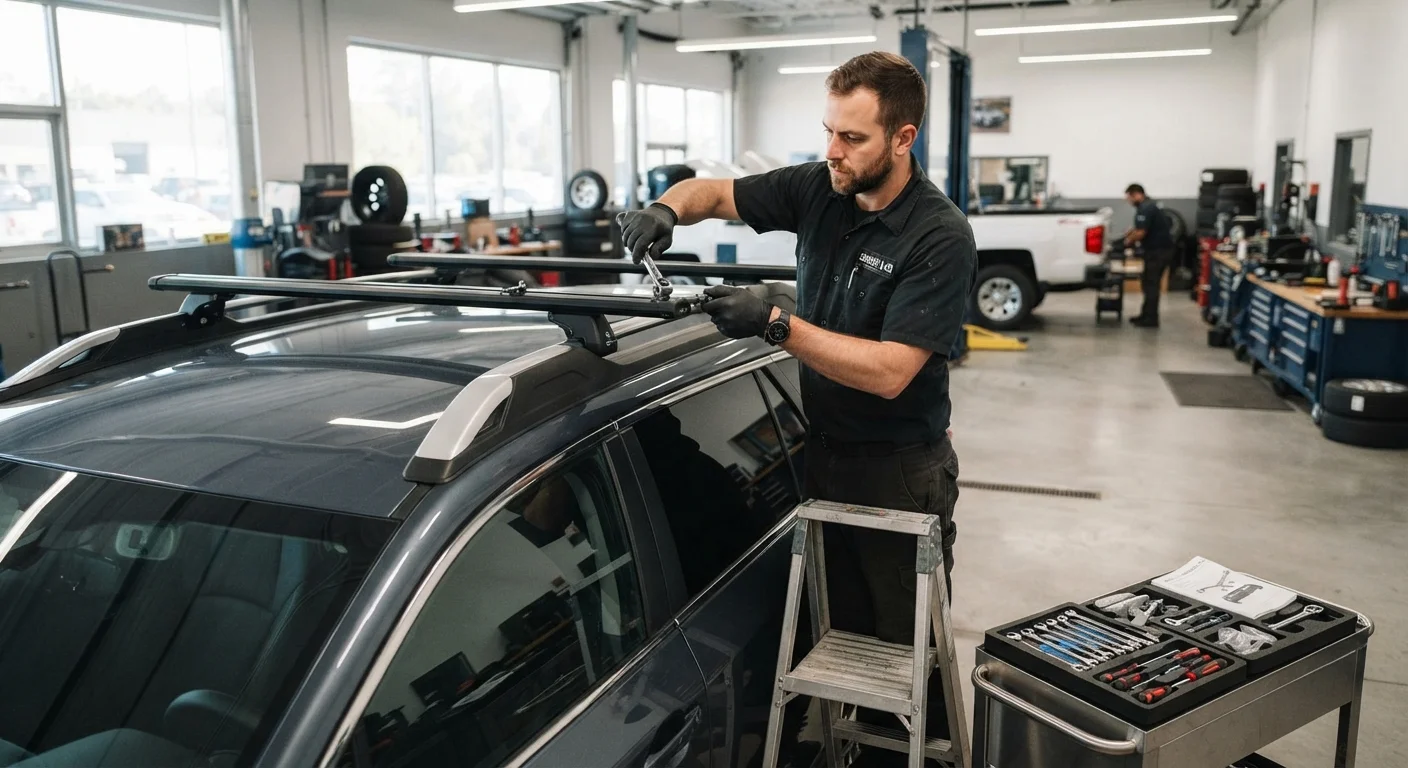
Installation matters too. Flush-rail, raised-rail, and bare-roof mounting systems each require different hardware. Fitting the wrong system can damage the roof or create an unstable platform. When in doubt, a professional installation is worthwhile.
Cargo Boxes: Weather Protection With Real Compromises
A cargo box - the hard-shell, aerodynamically shaped enclosure that mounts to a roof rack - solves one problem cleanly: it keeps gear dry and secure without requiring you to pack it into waterproof bags. That's a meaningful advantage on multi-day trips or when carrying electronics, sleeping gear, or clothing.
But cargo boxes add substantial height. A typical unit adds 12 to 16 inches to your vehicle's roofline. That matters in parking garages, drive-throughs, and low-clearance structures. It's worth measuring your specific vehicle-plus-box height before committing. Weight capacity is also split between the box itself (often 20-30 lbs) and the contents limit, so actual usable capacity is less than the box's volume suggests.
For a deeper look at how cargo boxes compare to hitch-mounted carriers on road trips, this storage breakdown for road trips covers the key distinctions.
12-16 in.
Typical height added by a cargo box
Most standard rooftop cargo boxes add between 12 and 16 inches to vehicle height, which can affect clearance in parking structures rated at 6.5 feet or less.
~10-15%
Estimated highway fuel economy reduction
Aerodynamic accessories mounted above the roofline can reduce highway fuel efficiency by roughly 10-15% depending on box shape, load, and vehicle type, based on general engineering estimates.
Bed Extenders: A Truck-Specific Tool
Bed extenders are a fundamentally different category - they're only applicable to pickup trucks, and they solve a specific problem: carrying items longer than the bed itself. Think 10-foot lumber in a 5.5-foot bed, or a pair of motocross bikes that need the tailgate area to stay open for secure tie-down.
A bed extender mounts to the trailer hitch receiver and provides a platform beyond the tailgate, allowing the gate to remain down without losing load containment. Some designs fold upright to act as a rear barrier for lighter loads. They add minimal wind resistance and don't change vehicle height. The downsides: they consume the hitch receiver, making it unavailable for a trailer ball or bike rack simultaneously, and they're only useful when the tailgate is open.
Truck owners who frequently move long items will find this more practical than a roof solution. Those who also need to tow should factor in hitch-sharing limitations - see towing setup considerations for how hitch accessories interact.
If your needs extend to carrying bikes on the same vehicle, comparing bike rack mount types is a useful parallel read.
Making the Decision
The comparison table above captures the key dimensions side by side. A few practical rules of thumb help simplify the final call:
- If you own a car or crossover and carry varying gear types across seasons, a roof rack with swappable attachments is the most versatile platform.
- If weather protection is a priority and you have covered parking at home and your destination, a cargo box is a reasonable addition - just verify height clearance first.
- If you drive a truck and regularly haul items longer than your bed, a bed extender is the lowest-friction solution and likely the most cost-effective one.
Avoid the common mistake of sizing for your once-a-year extreme use case rather than your weekly reality. An oversized cargo box that stays on year-round will cost you in fuel and garage access far more than the occasional inconvenience of renting cargo space or rethinking a load.
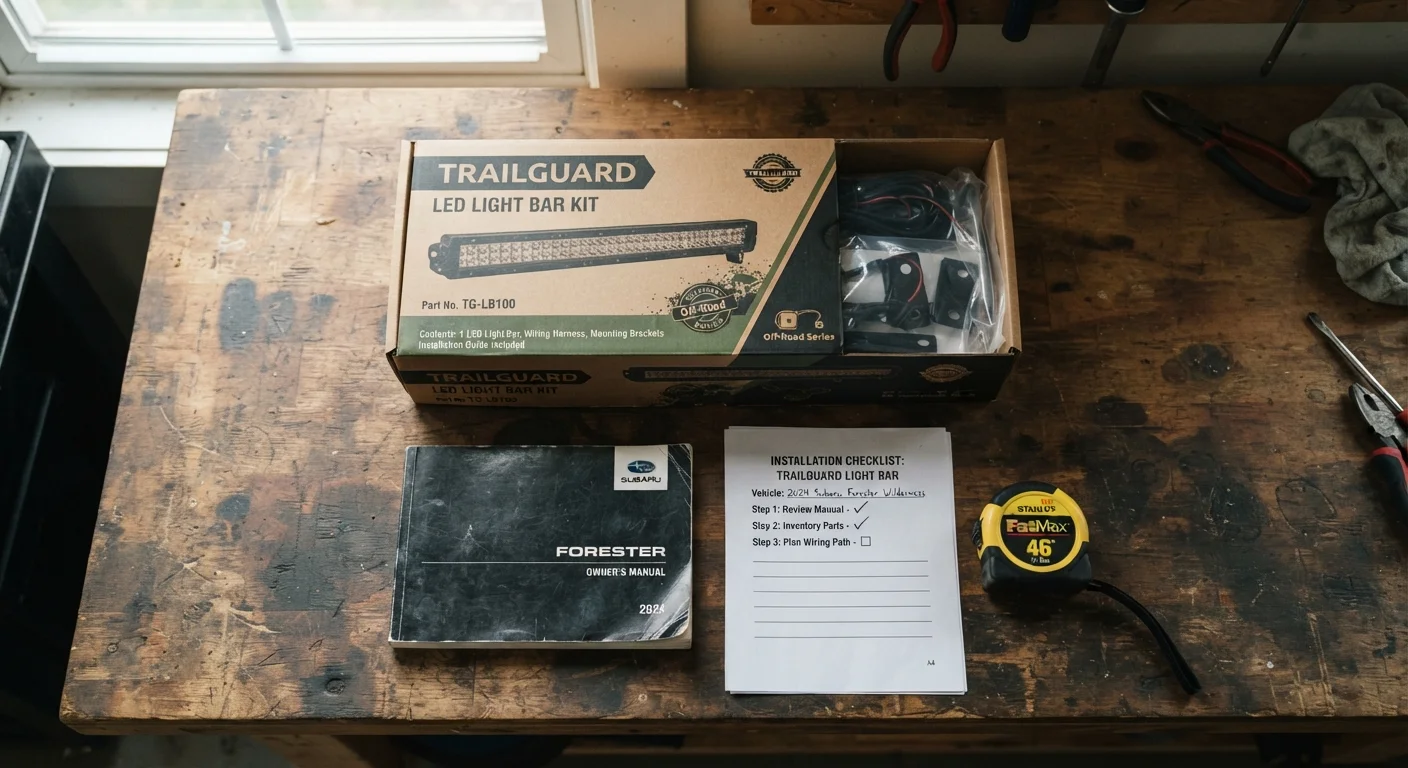
For those building out a full outdoor or off-road kit, an off-road accessory kit walkthrough provides context on how hauling gear fits into a broader vehicle setup. And if your focus is recreational riding and camping, the Bike & RV Gear hub covers purpose-built solutions for those activities.