Reading the Label: What Oil Grades Actually Mean
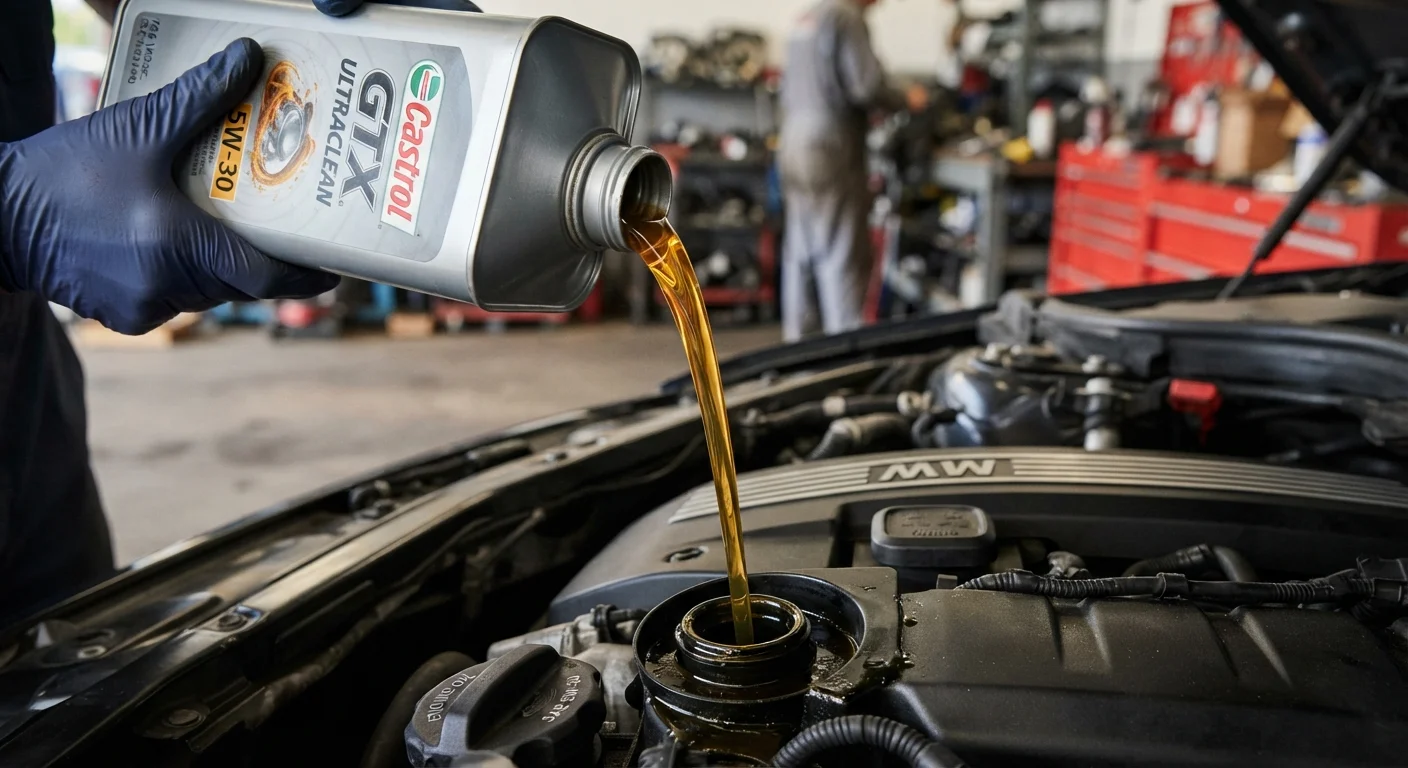
Pick up any quart of motor oil and you'll see a grade like 0W-20, 5W-30, or 10W-40 printed prominently on the front. These aren't marketing codes - they're standardized SAE viscosity ratings that tell you exactly how the oil behaves across a temperature range.
The number before the W (which stands for winter) rates the oil's flow resistance at cold temperatures, tested at 0°F (-18°C). A lower number here - say 0W or 5W - means the oil remains fluid enough to reach critical engine components within seconds of a cold start. That matters because the majority of engine wear occurs in those first moments before oil pressure fully builds.
The number after the dash rates viscosity at 212°F (100°C), which approximates normal operating temperature. A higher number, like 40 or 50, produces a thicker film - useful in high-load or high-heat applications such as towing or performance driving. A lower number, like 20, offers less internal friction and can improve fuel economy under everyday driving conditions.
Modern multi-grade oils achieve both ratings through a base oil combined with viscosity index improvers - additives that resist thinning under heat. This is why a single product can pass both the cold-start and high-temperature tests.
Multi-Grade vs. Single-Grade Oils
Single-grade oils (e.g., SAE 30) were common in older engines and small equipment like lawn mowers. Nearly all modern passenger vehicles require multi-grade oil (e.g., 5W-30) to handle the wide temperature range encountered between a cold start and sustained highway driving. If you maintain older equipment or classic vehicles, verify what the manufacturer specifies - single-grade oil may still be appropriate in those cases.
Choosing the Right Grade for Your Engine
The most reliable guide to the correct viscosity is your vehicle's owner's manual. Manufacturers engineer oil passages, bearing clearances, and hydraulic systems (like variable valve timing) around a specific grade. Using an oil that's too thick can starve narrow passages; one that's too thin may not hold adequate film pressure at operating temperature.
Climate can be a secondary consideration. In consistently cold climates, an oil with a lower W rating eases cold starts. In sustained high-heat environments or applications involving heavy towing, a slightly higher high-temperature rating may be appropriate - but only if it falls within the range your manufacturer permits.
For a broader look at how oil fits alongside other fluids your vehicle depends on, see the fluid-by-fluid reference guide covering transmission fluid, coolant, and brake fluid.
Check the Dipstick Between Changes
Don't wait until an oil change appointment to assess your oil's condition. Pull the dipstick every few fill-ups, wipe it clean, reinsert it, and check both the level and the color. Healthy oil ranges from amber to light brown; very dark, gritty, or milky oil signals a problem worth investigating before the next scheduled interval.
How Often Should You Actually Change Your Oil?
The answer depends on three variables: the oil type, the engine design, and how the vehicle is driven.
- Conventional oil: Generally appropriate for changes every 3,000-5,000 miles, though many newer engines are designed with synthetic in mind.
- Full-synthetic oil: Typically rated for 5,000-10,000 miles or more, depending on the manufacturer's specification.
- Extended-life synthetic: Some formulations and vehicle systems are rated up to 15,000 miles, though this requires consistent adherence to the correct grade and an engine in good condition.
These figures assume normal driving - highway miles, moderate temperatures, and relatively infrequent cold starts. Severe service conditions reduce the appropriate interval. The SAE and most manufacturers define severe service as: frequent short trips under 5 miles, sustained stop-and-go traffic, towing or hauling heavy loads, operation in extreme heat or cold, or prolonged idling.
The persistent myth that all engines need oil every 3,000 miles has been addressed thoroughly in automotive maintenance guidance - the common maintenance myths article covers this and similar misconceptions in detail.
If you're planning your first oil change at home, the DIY oil change guide walks through the full process - draining, filter replacement, and refill - step by step.
~30%
Engine wear occurring at cold start
Industry engineering data consistently attributes a disproportionate share of cumulative engine wear to the seconds immediately following a cold start before full oil pressure builds.
5,000-10,000 mi
Typical full-synthetic oil change interval
Most major vehicle manufacturers specify this range for full-synthetic oil under normal driving conditions; check your owner's manual for your exact interval.
212°F
Temperature used for SAE high-temp viscosity rating
The SAE measures the second viscosity number (e.g., the '30' in 5W-30) at 212°F (100°C) to simulate normal engine operating temperature.
Understanding Oil Certification Marks
Grade and type are only part of what the label tells you. Reputable motor oils carry certification marks from two key industry bodies:
- API Donut
- The American Petroleum Institute's circular symbol appears on the back of the bottle. It lists the service category (e.g., SP for current gasoline engines), viscosity grade, and whether the oil meets energy-conserving standards.
- ILSAC Starburst
- The International Lubricants Standardization and Approval Committee starburst confirms the oil meets current performance, fuel economy, and emissions-system compatibility requirements for gasoline engines.
These marks aren't decorative - they confirm the oil passed standardized testing. Oils that carry these marks have been tested for engine cleanliness, wear protection, oxidation stability, and compatibility with modern emissions components like catalytic converters.
For a direct comparison of synthetic and conventional formulations - including where each performs best and the cost implications of each - the synthetic vs. conventional oil guide offers a detailed side-by-side look.
This article provides general educational information about engine oil. Always consult your vehicle's owner's manual and, where needed, a qualified mechanic for guidance specific to your engine and driving conditions.