What DIY Repair Actually Means for Home Mechanics
Working on your own vehicle at home covers a wide spectrum-from checking tire pressure to replacing an alternator. The term "DIY repair" is broad enough to include jobs any owner can safely handle and jobs that genuinely require a lift, specialized diagnostic equipment, and years of hands-on experience. Understanding where you are on that spectrum before you start is what this article is about.
The appeal is straightforward: labor rates at independent shops typically run $80-$150 per hour, and dealership rates often exceed that. On a job that takes a professional two hours, the potential savings are significant. But that calculation only holds when the job goes cleanly. The variables-your skill level, your tools, your workspace, and the vehicle's condition-determine whether the math works in your favor.
For a thorough foundation before taking on any job, see the complete DIY vehicle maintenance guide, which covers workspace setup, tool selection, and job sequencing.
The Real Advantages of Working at Home
DIY repair offers benefits that go beyond simple dollar savings. Understanding what you're actually gaining helps you make better decisions about which jobs to take on.
Significant savings on labor costs
Labor typically accounts for 50-70% of a shop repair invoice. Routine jobs like oil changes, brake pad replacements, and air filter swaps are straightforward enough that most mechanically inclined owners can perform them without professional help.
Direct control over parts quality
When you source your own parts, you choose the specification and grade. You're not dependent on a shop's preferred supplier or uncertain about whether OEM or equivalent-quality components were used.
Builds genuine mechanical knowledge
Hands-on experience with your specific vehicle develops diagnostic intuition over time. Home mechanics who service their own vehicles regularly tend to identify problems earlier than those who only see their car at annual service intervals.
Flexible scheduling on your terms
DIY repair removes the dependency on shop availability, drop-off logistics, and waiting for a service appointment. Simple maintenance can often be completed on a weekend morning without any scheduling overhead.
Satisfaction and skill development
Successfully completing a repair builds competence and confidence that transfers to future jobs. Many experienced home mechanics started with oil changes and progressively took on more complex work as their skills and tool inventory grew.
50-70%
Labor's share of a typical repair invoice
Industry estimates consistently place labor at more than half the cost of most shop repair bills, making it the primary target for DIY savings.
$80-$150+
Typical shop labor rate per hour (US)
Independent shop rates vary by region and specialty; dealership rates frequently exceed this range, particularly for brand-specific diagnostic work.
Beyond cost, doing your own maintenance means you know exactly what parts went into your vehicle and how the work was performed. That knowledge compounds over time-owners who work on their own vehicles tend to catch developing problems earlier because they're more familiar with how the vehicle sounds, feels, and behaves.
Where DIY Repair Hits Its Real Limits
The enthusiasm that makes DIY repair satisfying can also lead to overreach. Certain jobs carry consequences for getting it wrong that extend beyond inconvenience-they can affect vehicle safety, emissions compliance, or your ability to sell or insure the vehicle.
Safety-critical systems require professional precision
Brake hydraulics, steering components, suspension geometry, and airbag systems have tight tolerances and direct safety implications. An error in these systems can compromise vehicle control in ways that aren't immediately obvious until a critical moment.
Specialty tools represent real upfront cost
Many jobs beyond basic maintenance require tools that aren't in a standard home toolkit. Purchasing these for a single repair can eliminate the cost advantage entirely, though they become assets for future jobs.
Mistakes can multiply the original repair cost
A stripped thread, a cracked housing, or an incorrectly seated seal can turn a straightforward job into a complex one. In some cases, professional diagnosis and correction of a DIY error costs more than the original professional repair would have.
Warranty and insurance complications
Certain repairs performed outside a certified facility may affect manufacturer warranty coverage or complicate an insurance claim if a related failure occurs. It's worth reviewing your warranty terms before tackling major systems.
Emissions and regulatory compliance risks
Work involving emissions control systems-catalytic converters, oxygen sensors, EGR valves-carries legal compliance obligations. Repairs that inadvertently defeat or damage these systems can result in inspection failures or regulatory penalties.
Workspace limitations affect job safety
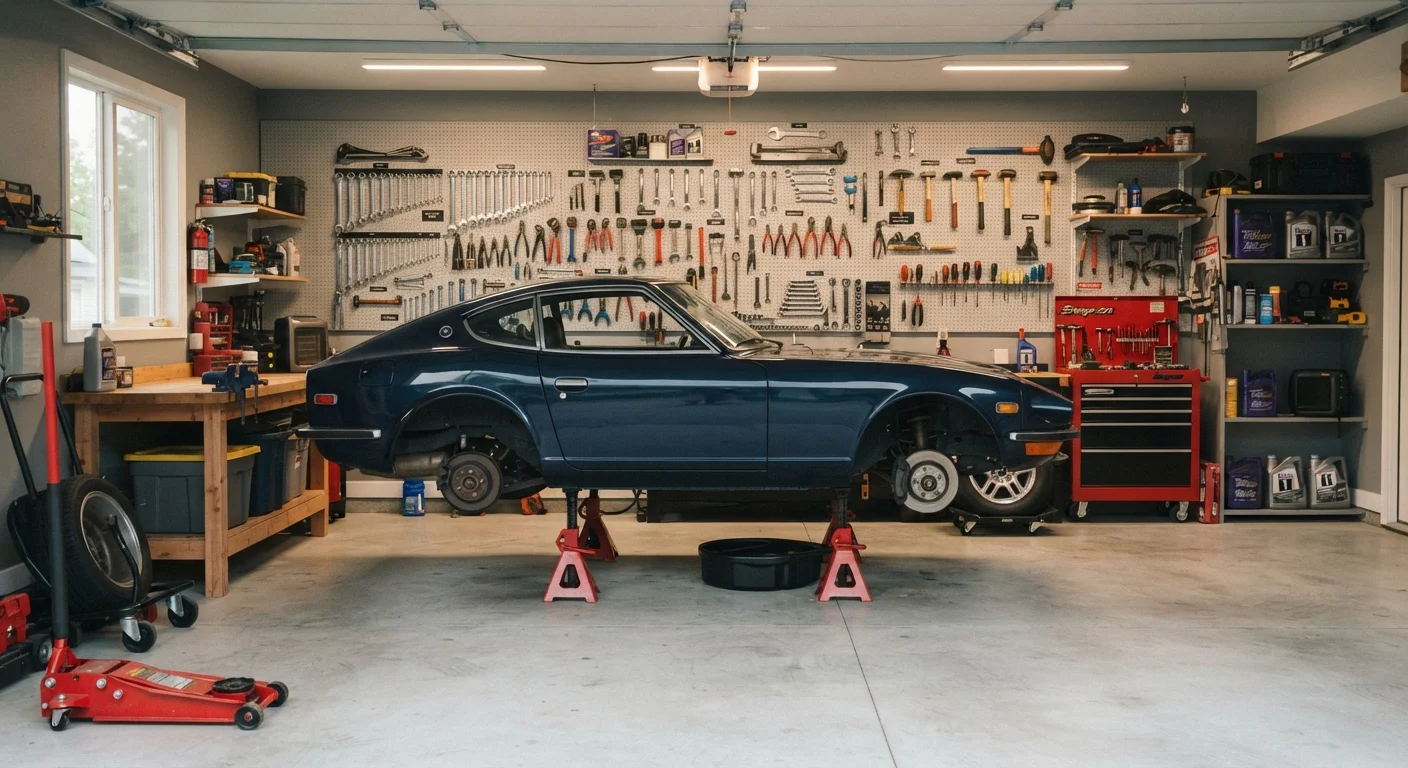
Working on a sloped driveway or without proper jack stands introduces serious injury risk. Many jobs are simply not safe to attempt without a level, stable surface and appropriate vehicle support equipment.
If you're unsure which jobs fall into high-risk territory, this breakdown of repairs most DIYers attempt too early identifies the jobs where inexperience most commonly creates larger problems. For RV owners specifically, knowing the line between owner repairs and certified technician work is especially important given the complexity of those systems.
Hidden Costs That Offset Your Savings
The projected savings from a DIY job are often calculated as: dealer labor rate × estimated hours. That's an incomplete picture. Several categories of cost don't show up in that simple formula.
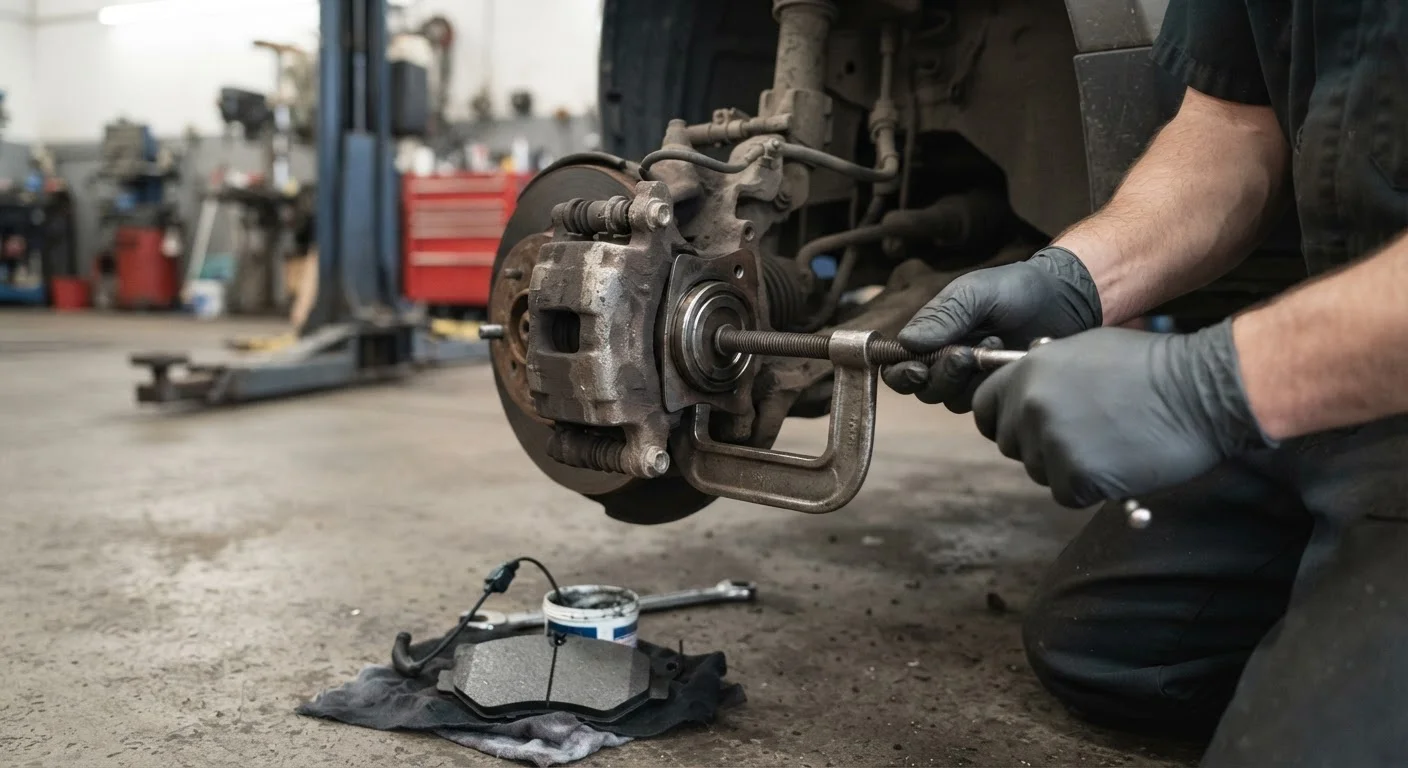
- Specialty tools: A brake caliper wind-back tool, a harmonic balancer puller, or a torque-angle gauge may be needed for a single job. These are one-time purchases, but they add to the real cost of that repair.
- Parts ordered incorrectly: Return shipping on an incorrect part, or discovering you need an additional component mid-job, adds expense and delay.
- Redone work: A job performed incorrectly that requires a shop to diagnose and fix will cost more than if the shop had done it initially.
- Time: A two-hour shop job may take a less experienced home mechanic four to six hours, and that time has value.
For a broader look at how maintenance decisions affect overall ownership expense, the ownership costs hub provides useful context on long-term vehicle budgeting.
When the Math Still Favors DIY
Even accounting for tool costs and learning time, routine maintenance tasks-oil and filter changes, cabin and engine air filters, wiper blades, spark plugs on accessible engines-generally remain cost-effective for home mechanics. These jobs have low failure consequence, well-documented procedures, and require minimal specialty tooling. The savings case is strongest for high-frequency maintenance performed repeatedly over years of ownership.
Setting Yourself Up Before You Start
The difference between a smooth DIY repair and a frustrating one usually comes down to preparation. Confirming you have the correct parts, the right tools, a safe and level workspace, and a clear procedure before you begin eliminates the majority of mid-job surprises.
The home mechanic's pre-job checklist is a practical resource for this-it walks through tools, safety gear, workspace conditions, and parts verification in a format you can run through before lifting the vehicle or cracking a fitting.
It's also worth comparing your approach to maintenance overall. Whether scheduled preventive work or reactive repairs suits your situation better has financial and reliability implications-the comparison between preventive and reactive maintenance lays out what the data suggests.
This article provides general educational information about vehicle maintenance approaches. It is not a substitute for the vehicle-specific service documentation, safety procedures, or professional diagnosis appropriate to your situation. When in doubt about a repair's safety implications, consult a qualified mechanic.