Why the Fuel Savings Calculation Is Usually Incomplete
First-time EV and hybrid shoppers almost universally anchor their cost expectations to a single variable: fuel. The reasoning is intuitive - electricity is cheaper per mile than gasoline, so savings are automatic. In practice, that framing omits several cost categories that can neutralize or reverse the apparent advantage.
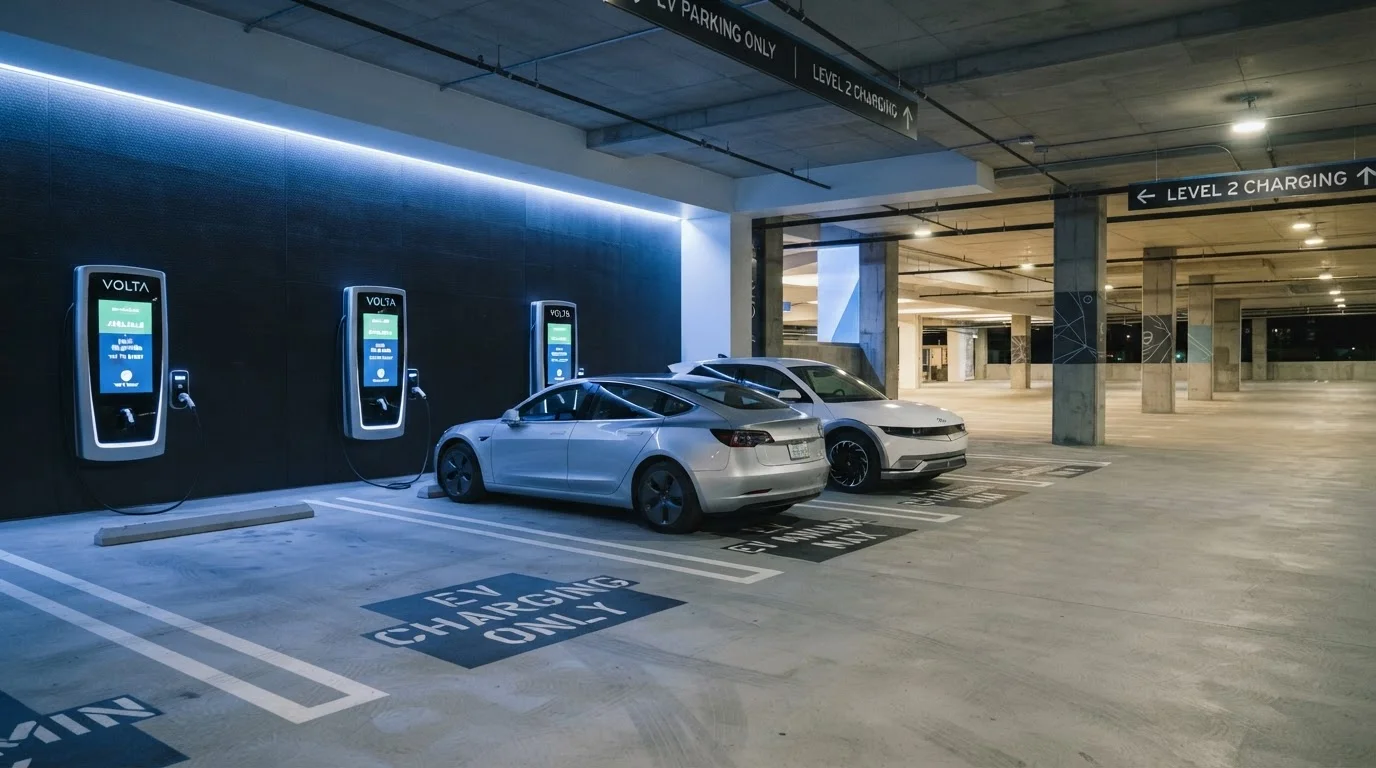
The most common omission is home charging infrastructure. A Level 2 charger (240V, also called an EVSE) typically requires professional installation, and older homes often need an electrical panel upgrade first. Combined costs can range from a few hundred dollars to well over $2,000 depending on the home's existing wiring. Shoppers who live in apartments or lack dedicated parking face public charging costs that are substantially higher per kilowatt-hour than home rates - sometimes approaching gasoline parity on a per-mile basis.
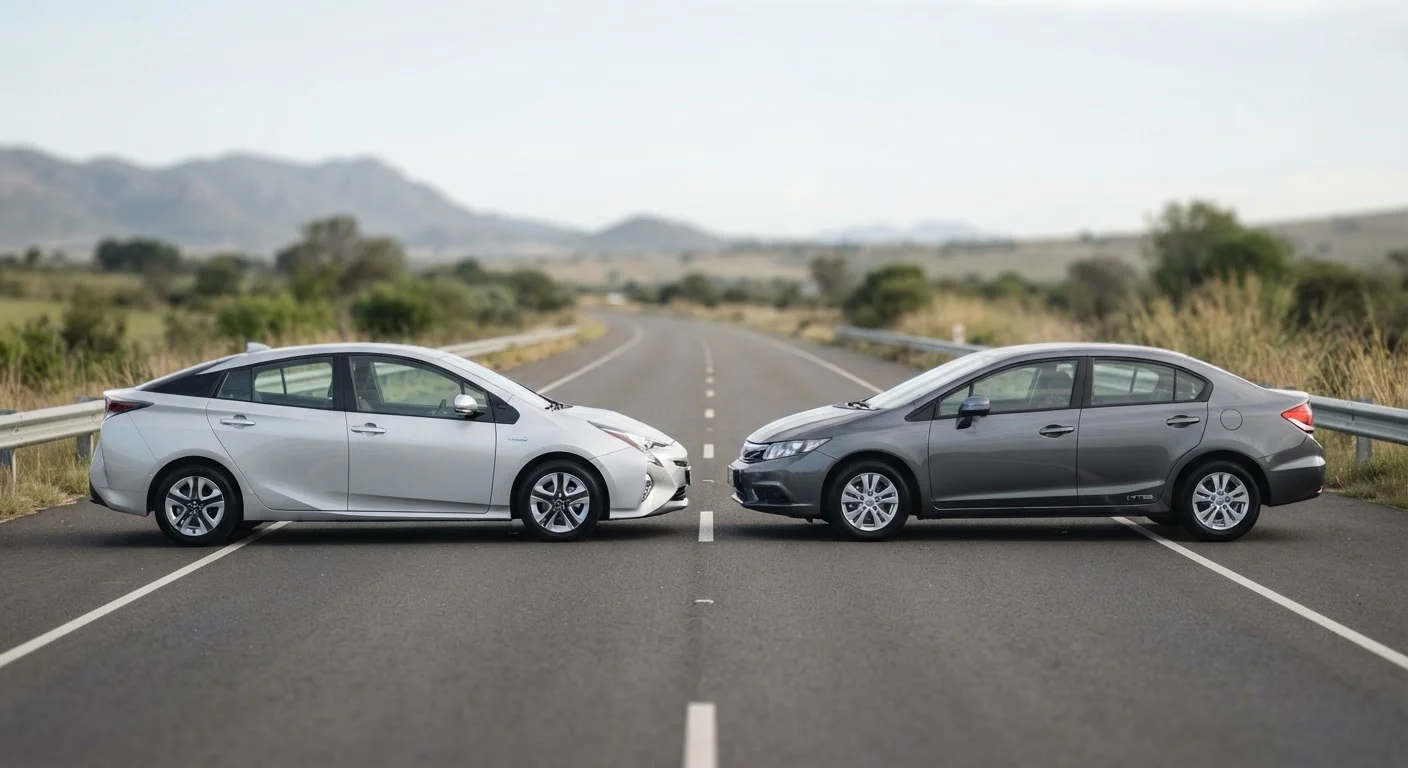
Hybrid buyers face a different distortion. Fuel economy ratings for hybrids are calculated under conditions that weight city driving heavily, because that is where regenerative braking recaptures energy most effectively. Buyers whose daily patterns are highway-dominant - long commutes on interstates, for example - routinely see real-world mpg figures that lag the window sticker by a meaningful margin. For a deeper look at how to interpret those sticker numbers accurately, see how fuel economy ratings translate to actual costs.
15-30%
Typical real-world EV range shortfall vs. EPA estimate
U.S. Department of Energy and independent testing organizations consistently find real-world EV range falls below EPA-rated figures, particularly at highway speeds and in cold weather.
$1,000-$2,500+
Typical home Level 2 EVSE installation cost range
Installation costs reported by electricians and owner surveys vary widely based on panel capacity, conduit distance, local permitting fees, and whether a panel upgrade is required.
The Mistakes That Inflate Real Running Costs
Beyond the fuel calculation, a consistent cluster of errors drives budget overruns for electrified vehicle buyers. Understanding where these errors originate is the first step toward avoiding them.
Treating federal tax credits as guaranteed savings without verifying eligibility.
Why it happens: The headline credit figures circulate widely in automotive media, so buyers assume they automatically apply. In reality, the federal EV tax credit is nonrefundable and subject to income caps, vehicle MSRP limits, and assembly sourcing requirements that disqualify a substantial share of buyers and vehicles.
Ignoring battery degradation as a long-term cost factor.
Why it happens: New-vehicle buyers focus on current capability, and manufacturers emphasize warranty coverage. Battery capacity loss is gradual and invisible until it materially reduces usable range, at which point the vehicle may be outside warranty and approaching a replacement decision.
Assuming EV maintenance costs are negligible without reviewing model-specific service requirements.
Why it happens: The broadly accurate claim that EVs have fewer moving parts leads buyers to assume near-zero maintenance costs. While oil changes are eliminated, EVs still require tire rotation (often more frequently due to heavier weight and regenerative braking wear patterns), brake fluid service, cabin air filtration, and coolant maintenance on the battery thermal system.
Financing a higher-priced EV with a longer loan term to match a lower monthly payment, without accounting for total interest paid.
Why it happens: Monthly payment comparisons are intuitive and widely used at the point of sale. A longer term lowers the monthly figure and makes a more expensive vehicle appear affordable, but the total interest cost over the loan can substantially exceed the fuel savings the vehicle was purchased to capture.
Underestimating home charging installation costs for the specific property.
Why it happens: Quoted EVSE equipment prices are readily available online, but installation labor, permitting, and panel upgrade costs vary significantly by region and home configuration. Buyers assume a simple plug-in solution is universally available.
Insurance is another underestimated line item. EVs and plug-in hybrids tend to carry higher repair costs due to specialized components, sensors, and high-voltage systems - factors that insurers price into premiums. Buyers comparing monthly loan payments between a conventional vehicle and an EV often forget that the insurance delta can offset a meaningful share of the fuel savings. For a broader look at which ownership cost assumptions commonly mislead buyers, the ownership cost myths guide examines these beliefs against available evidence.
Tax Credit Eligibility Is Not Automatic
Federal EV tax credits are nonrefundable - meaning they reduce tax owed but do not generate a refund if the credit exceeds your liability. Income thresholds, vehicle MSRP caps, and battery sourcing rules added under recent legislation disqualify a significant portion of buyers and vehicles. Do not net a credit against your purchase price until you have confirmed eligibility for your specific income, filing status, and the exact vehicle configuration with a qualified tax professional.
Building a Realistic Total Cost of Ownership Picture
A defensible EV or hybrid cost comparison requires accounting for at least five cost categories over a consistent ownership horizon - typically five years. Those categories are: acquisition cost (net of any applicable federal tax credits and state incentives, which vary by income, tax liability, and vehicle eligibility), fuel or energy costs using your actual local utility rate and realistic driving pattern, insurance, scheduled and unscheduled maintenance, and depreciation.
Depreciation deserves particular attention. Early EV models experienced steep value declines partly because battery technology was advancing rapidly, making older pack capacities less competitive. The used EV market has matured, but residual value trajectories still vary considerably by model and segment. A vehicle with a lower purchase price but aggressive depreciation can cost more over five years than a pricier model that holds value.
Range anxiety also influences real costs indirectly. Buyers who purchase an EV with insufficient range for their occasional long-distance trips end up paying for public DC fast charging (DCFC) at premium rates - or renting a vehicle for those trips. Neither outcome appears in the initial cost model. For a grounded explanation of how official range figures are derived and where they diverge from highway reality, see how EV range is measured and why real-world numbers differ.
For a structured five-year comparison across electrified powertrains, total cost of ownership for EVs and hybrids lays out the full accounting. And if you are still orienting yourself to the powertrain landscape, the electrified vehicle introduction guide covers the fundamentals before you reach the cost comparison stage.
This article is for general informational purposes only and does not constitute financial, legal, or personalized purchasing advice. Vehicle costs, incentive eligibility, and utility rates vary by location and individual circumstances. Consult a qualified financial adviser for guidance specific to your situation.