How the EPA Range Test Actually Works
Every EV sold in the U.S. must carry an EPA fuel economy label displaying an estimated range in miles. That number comes from a structured lab procedure, not road testing. Technicians run the vehicle on a dynamometer - a stationary roller system - through a series of programmed speed cycles that simulate city stop-and-go traffic and steady highway cruising. Raw energy-consumption data from those runs is then adjusted downward using a correction multiplier designed to account for real-world variables the lab cannot fully replicate.
The current five-cycle protocol added cold-temperature, high-speed, and air-conditioning sub-tests to an older two-cycle method, improving accuracy. But no single number can capture the full range of driving conditions across the U.S. geography and climate. The EPA figure is best understood as a standardized reference point for side-by-side comparisons - not a performance warranty.
EPA Range Applies Only to New Vehicles
The EPA-rated range on a window sticker reflects the battery at or near full health. As lithium-ion batteries age and accumulate charge cycles, their maximum capacity gradually declines - a process called capacity fade. A vehicle with 80,000 miles may deliver meaningfully less range than its original EPA figure, even under identical conditions. Factor expected battery aging into long-term ownership planning, particularly for used EV purchases.
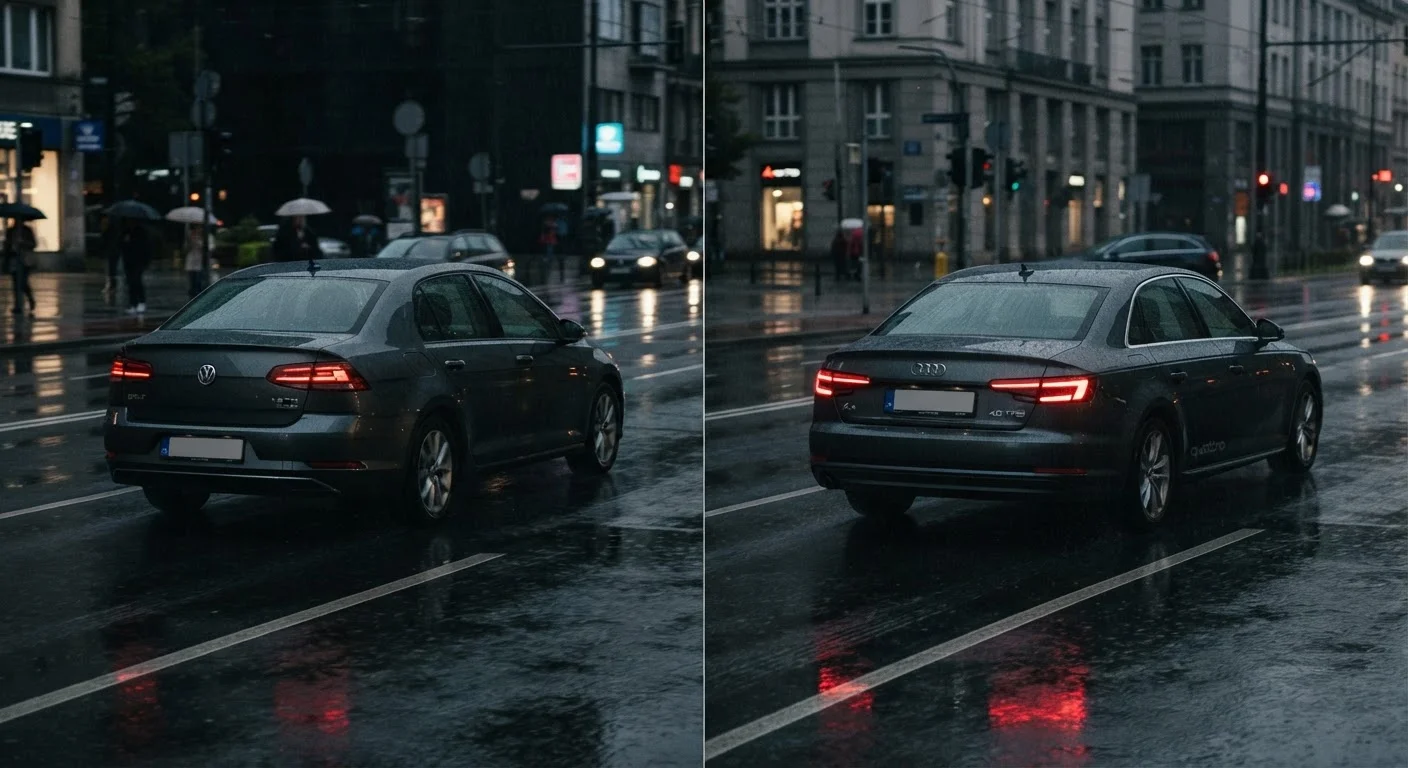
For a parallel look at how official ratings diverge from actual results in conventional vehicles, see how fuel economy figures compare to real-world driving in sedans.
The Key Variables That Shrink Real-World Range
Speed is the single most consequential factor. Aerodynamic drag rises with the square of velocity - doubling speed quadruples drag force. An EV rated for 300 miles of combined range may deliver 240-260 miles on an interstate cruise at 75-80 mph. That gap widens further if the vehicle has a relatively high drag coefficient.
Temperature compounds the issue. Lithium-ion chemistry becomes less efficient as mercury drops. Below freezing, not only does the battery deliver less usable energy, but the cabin heating system - which in an EV draws directly from the pack rather than from engine waste heat - accelerates discharge. AAA testing has documented range reductions exceeding 40% in severe cold when the heater runs continuously.
Payload and accessories matter too. Roof racks, trailer loads, and aggressive regenerative braking settings all shift the energy equation. Even tire pressure has a measurable effect: underinflated tires increase rolling resistance and reduce efficiency.
20-40%
Range reduction in severe cold weather
AAA testing found EV range can drop 20-40% when temperatures fall below 20°F and cabin heating is in use.
~30%
EPA correction factor applied to raw test data
The EPA applies a downward adjustment of roughly 30% to raw dynamometer results to better approximate real-world conditions before publishing official range figures.
10-25%
Typical highway range penalty vs. EPA combined
Independent road tests consistently show highway-only range falling 10-25% below the EPA combined estimate due to sustained high-speed aerodynamic drag.
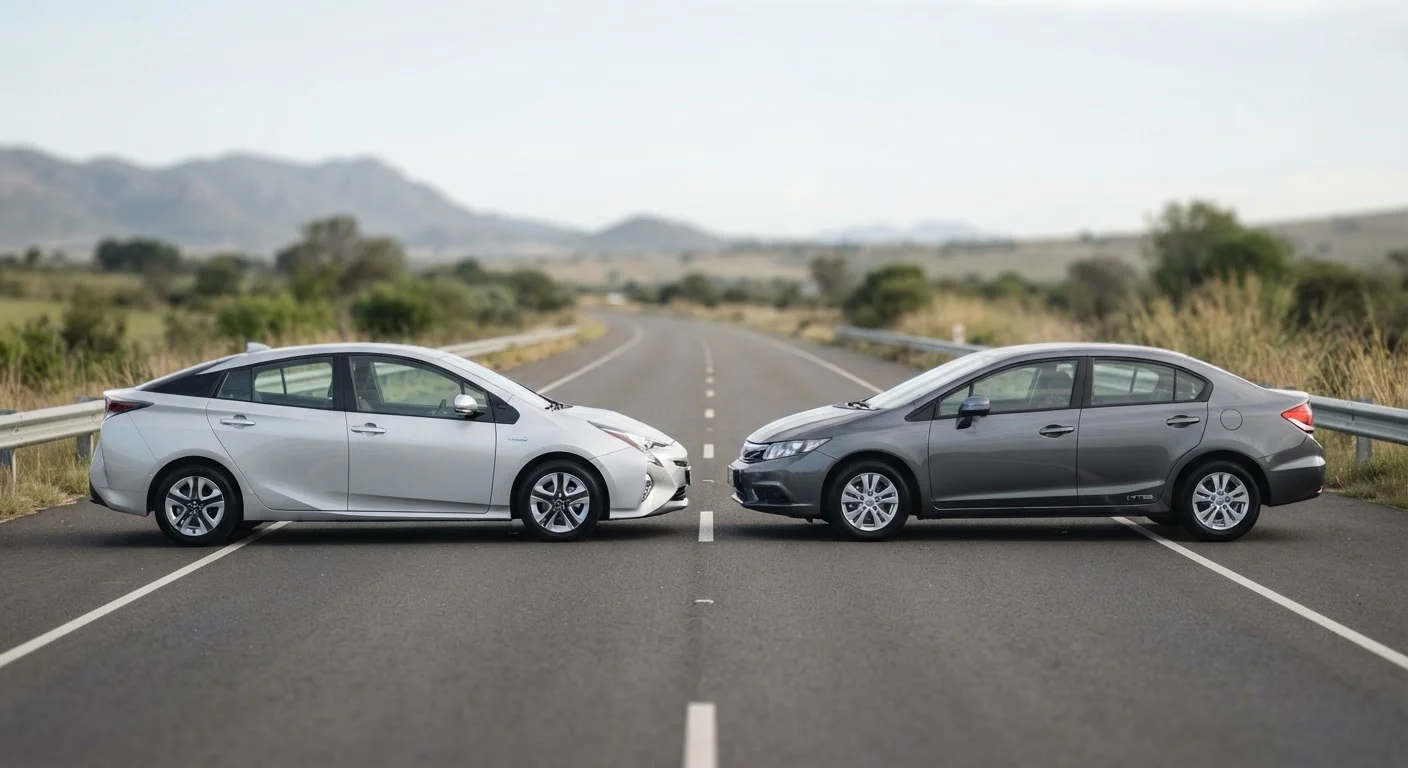
Understanding these variables matters directly when evaluating how to compare EVs and hybrids on range, efficiency, and cost.
Reading Range Claims Accurately as a Buyer
The EPA combined figure blends city and highway cycles, which flatters vehicles optimized for low-speed regenerative braking. Buyers with primarily highway commutes should seek out highway-specific range estimates and third-party road-test results rather than anchoring on the combined number. Several automotive outlets publish structured range tests at consistent speeds - these provide a far more useful baseline for trip planning than the sticker alone.
When comparing an EV against a hybrid alternative, factor in not just peak range but the energy cost per mile and how range degrades across seasons. Evaluating EV versus hybrid powertrains requires weighing range anxiety against fueling infrastructure and running costs holistically.
Use Multiple Data Sources Before Committing
Cross-reference the EPA combined figure with the EPA's own highway-specific estimate, any available manufacturer real-world data, and third-party timed range tests published by independent automotive outlets. If you drive predominantly at highway speeds or live in a cold-weather state, weight the highway and cold-weather figures most heavily - they will reflect your actual ownership experience far more accurately than the headline number on the window sticker.
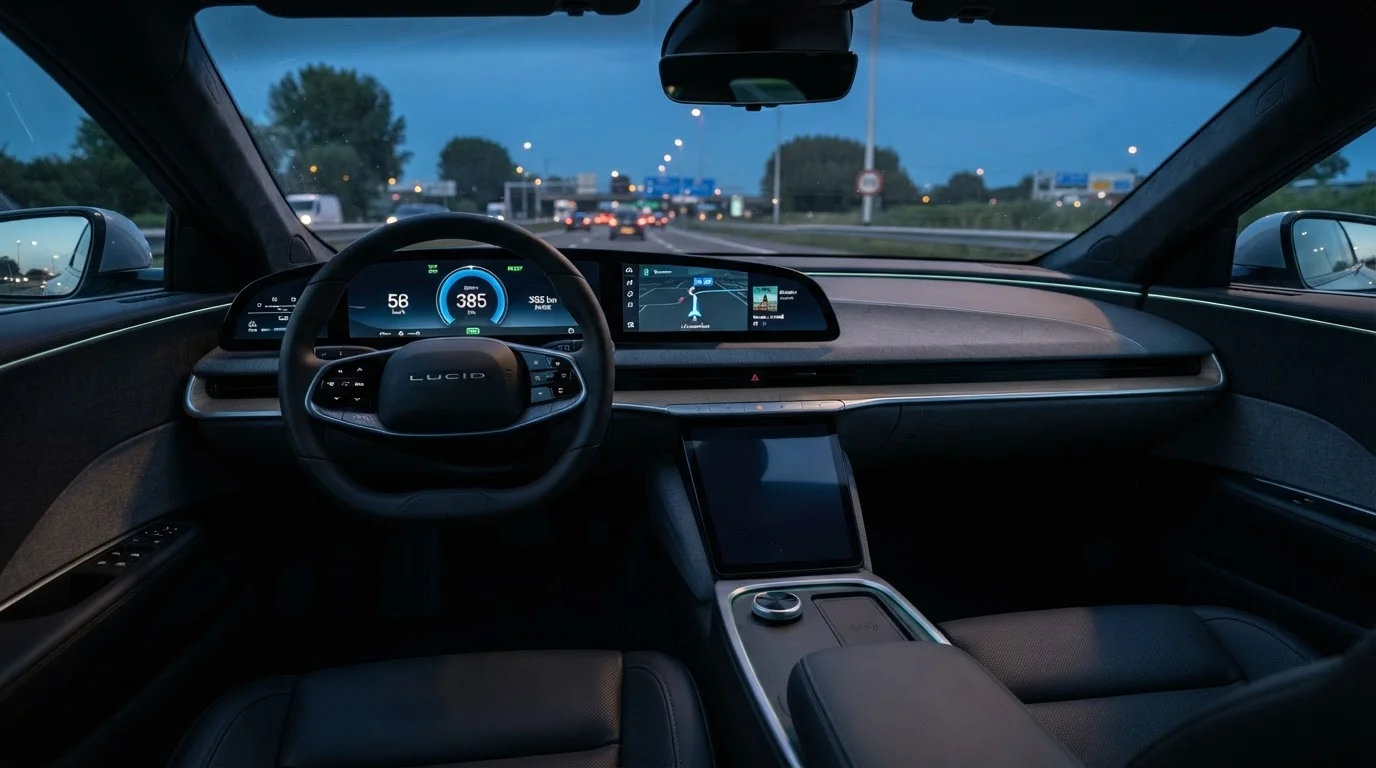
Buyers should also be cautious about total-cost assumptions. Range shortfalls can increase public charging frequency, affecting cost-per-mile calculations. Common financial miscalculations EV shoppers make are worth reviewing before committing to a purchase. And for a balanced view of what full EV ownership actually involves day-to-day, see the honest trade-offs of going fully electric.