What Defines a Survivor Car
In collector circles, a survivor is a vehicle that has reached the present day with its factory-applied materials substantially intact - original paint, trim, upholstery, glass, and drivetrain components that have never been refinished, reupholstered, or replaced for cosmetic purposes. The car may show wear commensurate with its age, but that wear is genuine rather than simulated.
The distinction matters because survivors represent an unbroken chain of evidence. Every layer of paint, every original casting number, every date-coded part tells a verifiable story. As discussed in our guide on documenting a classic car's history, provenance and physical evidence work together to establish authenticity. A true survivor is, in effect, a self-documenting artifact.
Collectors and major auction houses have formalized survivor classifications over recent decades, acknowledging that an unrestored original in honest driver condition is categorically different from either a freshly restored car or a deteriorated parts vehicle.
The Case For Preserving Patina
Irreplaceable factory evidence remains intact
Original paint layers, overspray, and body stampings provide authentication data that disappears the moment a car enters a body shop. This evidence is central to verifying options, production details, and accident history.
Documented survivors attract serious collector premium
Auction houses including Barrett-Jackson and Mecum have established recognized categories for unrestored originals, and well-documented survivors in desirable configurations frequently command strong results.
Avoids the financial risk of restoration cost overruns
Full restorations routinely exceed initial budgets by significant margins; preservation spending is more predictable and concentrated on mechanical upkeep rather than open-ended bodywork.
Historical integrity resonates with a dedicated collector community
Survivor-focused marque clubs and judging classes have grown substantially, creating a community that actively celebrates and evaluates unrestored examples on their own terms.
Tells an unbroken ownership narrative
A car that has lived its entire life in one region, one family, or one climate carries a coherent story that a restored example - regardless of quality - cannot replicate.
The arguments for leaving a survivor untouched are grounded in history, economics, and philosophy. Once original paint is cut and buffed - let alone resprayed - factory application data, overspray patterns, and body panel evidence disappear permanently. That information helps authenticate the car, confirm factory options, and verify that body panels are unrepaired originals. No restoration, however meticulous, recreates it.
Auction results have repeatedly demonstrated that documented survivors can achieve results comparable to or exceeding correct restorations, particularly for rare or low-production models. The philosophy behind preserving original finishes is no longer a fringe position - it reflects a maturing market that values verifiable authenticity.
6-figure
Auction results for documented muscle car survivors
Unrestored, numbers-matching examples of desirable 1960s-70s muscle cars have repeatedly achieved six-figure auction results when supported by strong documentation and low mileage.
~30%
Restoration budget overrun rate reported by enthusiasts
Industry observers and collector surveys consistently suggest a substantial portion of full restorations exceed their original budget estimates, reinforcing the financial appeal of preservation.
The Honest Drawbacks
Aging mechanical systems require careful, ongoing attention
Brake lines, fuel system components, and electrical wiring degrade over decades and can create safety hazards. Responsible preservation demands regular mechanical inspection even when cosmetic originality is the goal.
Narrow buyer pool compared to concours restorations
Genuine survivors appeal to a specific segment of the market; casual buyers and those prioritizing visual impact often prefer a freshly restored example, which can limit resale liquidity.
Show judging systems often disadvantage unrestored cars
Traditional point-based concours judging was designed around restoration standards, meaning survivors may score below their actual historical significance in conventional competitive classes.
Difficult to source period-correct replacement parts non-invasively
When mechanical components must be replaced, finding date-coded or factory-correct parts that do not compromise originality claims requires specialized knowledge and often considerable time.
Condition authenticity is difficult to verify without expertise
The survivor market attracts misrepresented vehicles - cars with localized repaints, replaced interiors, or undisclosed repairs presented as fully original. Buyers without forensic evaluation skills face real risk.
Survivors are not without genuine limitations. Aged rubber, degraded wiring insulation, and fatigued brake components can present real reliability and safety concerns. Preserving a survivor responsibly means maintaining mechanical systems to a roadworthy standard - a task that requires finding parts that do not compromise original stampings or visible originality. That balance demands both skill and restraint.
Cosmetically, many enthusiasts find heavily worn interiors or oxidized paint difficult to appreciate in person, regardless of their authenticity. At shows governed by point-based judging systems designed around restoration standards, survivors may score poorly. Collectors considering the survivor path should weigh it against the full spectrum explored in our overview of factory originality versus restored-to-spec examples.
Preservation Is Not the Same as Neglect
A true survivor is actively maintained, not abandoned. Mechanical systems - brakes, fuel lines, cooling, electrical - must meet a safe operating standard regardless of how original the cosmetics remain. Distinguishing a preserved survivor from a neglected vehicle requires inspection by someone familiar with both the marque and preservation standards. Consult a qualified mechanic before driving any long-dormant vehicle.
Preservation as Active Stewardship
Choosing not to restore is itself a decision that carries ongoing responsibility. Preservationists stabilize what exists: treating surface rust to prevent progression, conditioning original leather and rubber, servicing mechanical systems with period-appropriate or minimally invasive solutions, and storing the vehicle away from humidity and UV exposure.
Documentation becomes equally critical. Photographs, service records, and ownership history strengthen the car's case as a genuine survivor rather than a neglected project. Our related article on the full spectrum of classic car ownership addresses how stewardship philosophy shapes long-term satisfaction and community standing.
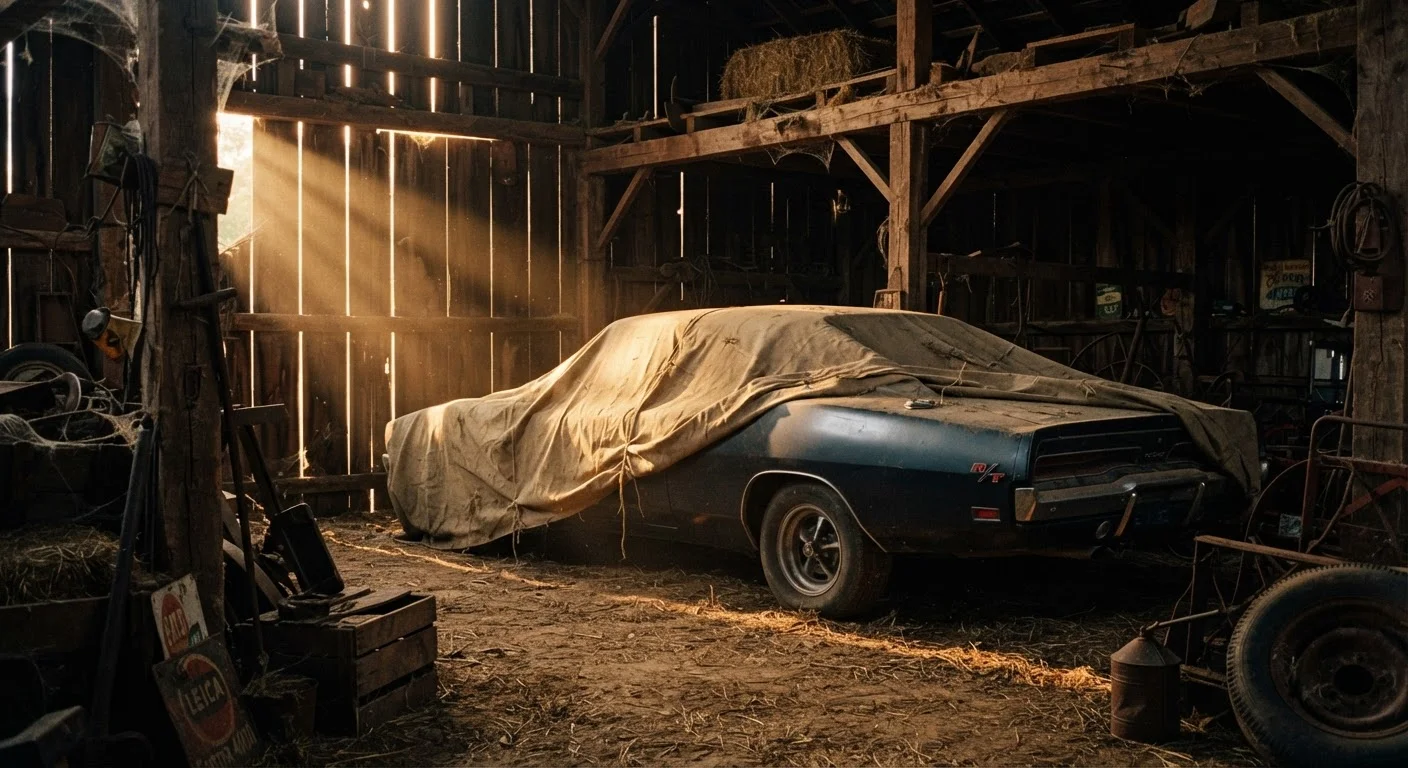
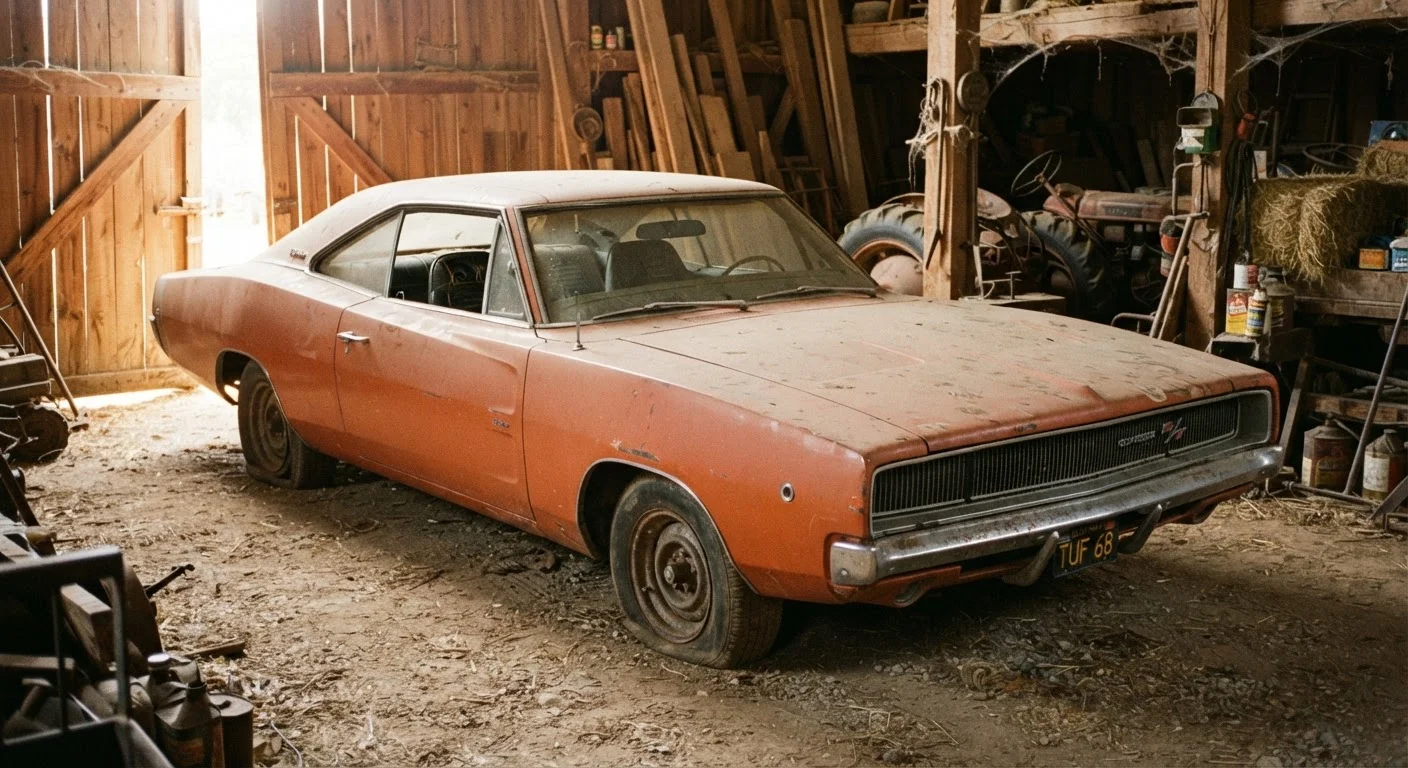
For enthusiasts drawn to rarer categories - barn finds, one-family-owned examples, or low-production special-order cars - the specialty and niche vehicles segment offers further context on markets where originality carries outsized weight. The survivor philosophy, ultimately, is about respecting what time has already done and recognizing that some things, once changed, cannot be undone.