Understanding What Each Category Really Means
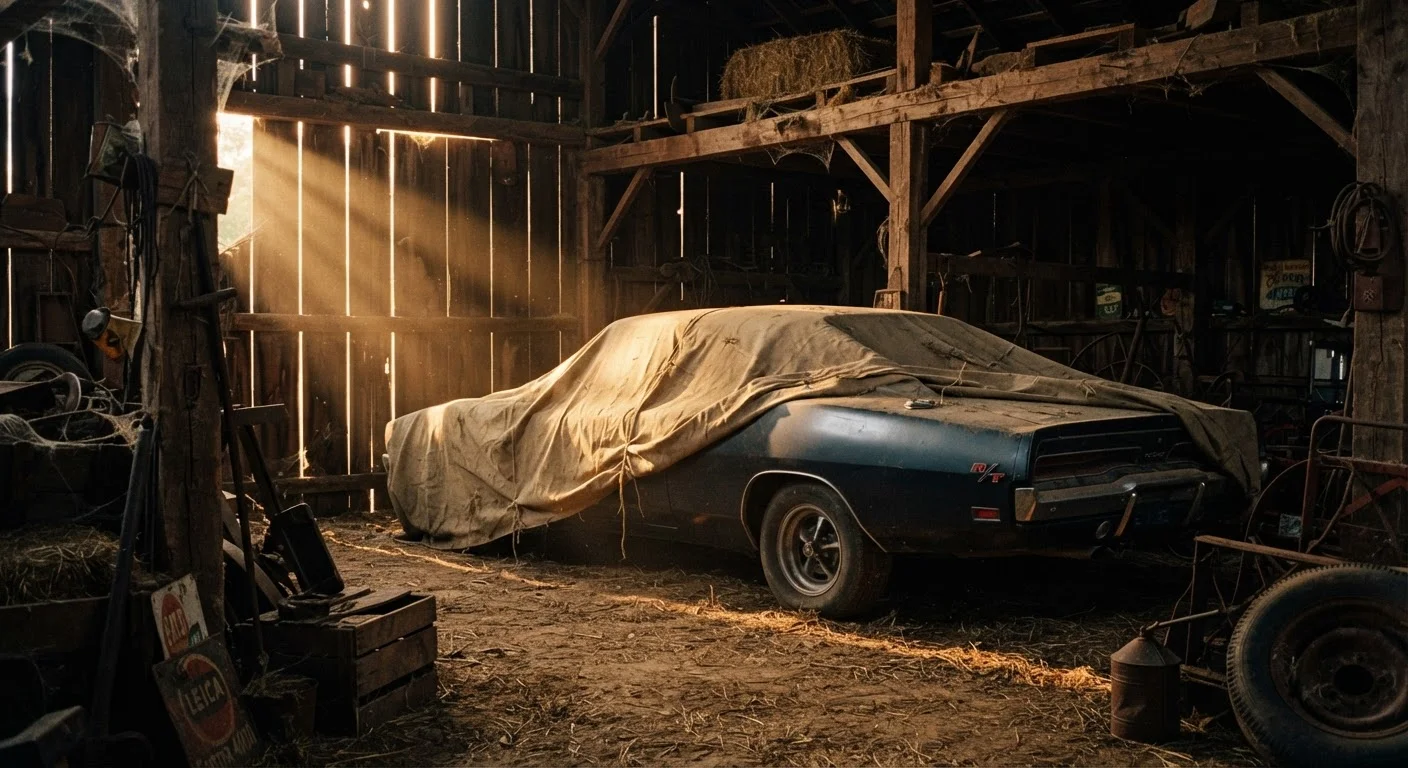
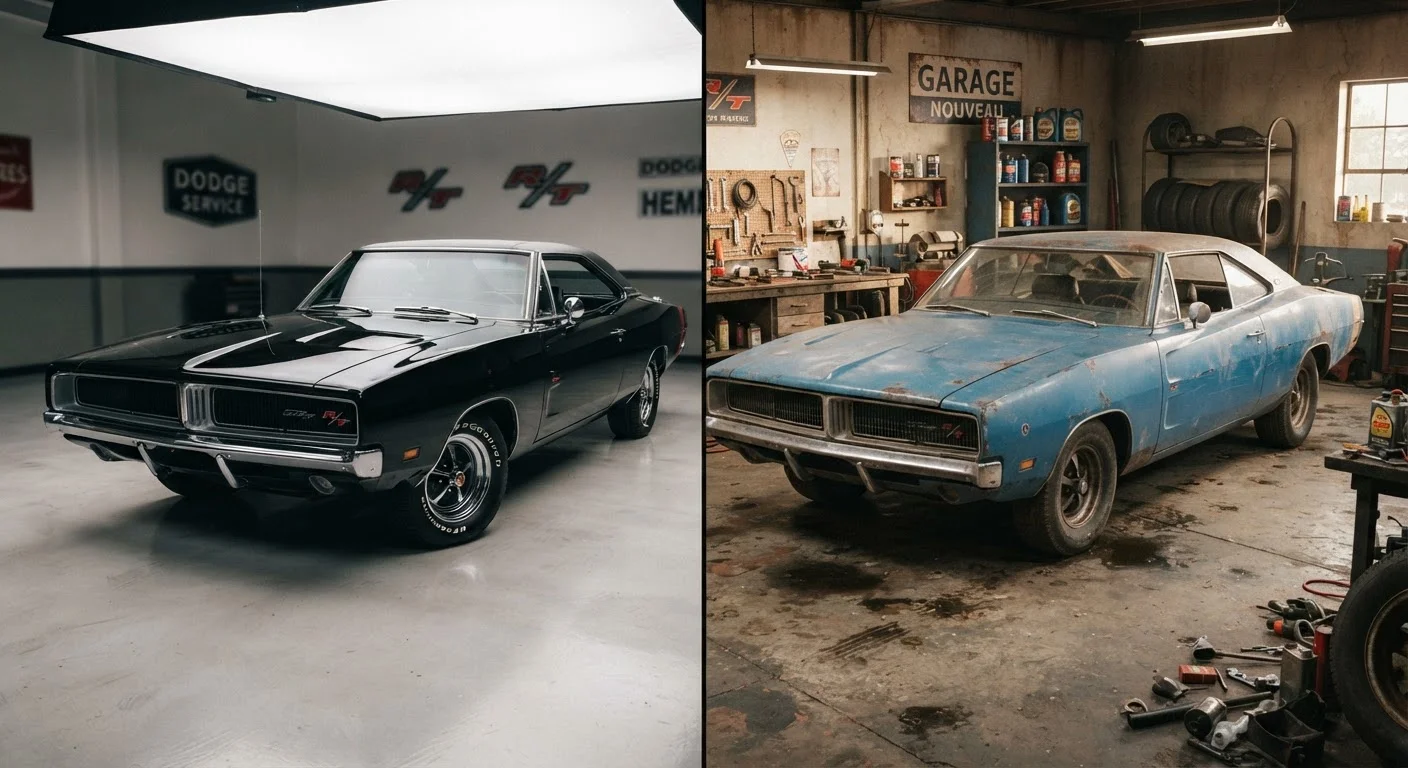
Before comparing valuations, it is essential to define terms precisely - because the collector market is unforgiving of ambiguity. A factory-original vehicle (often called a survivor) retains its original paint, interior, drivetrain components, and trim in unrestored condition. Wear, patina, and aging are accepted - even expected - as evidence of authenticity. What is not acceptable, in the eyes of serious buyers, is undisclosed modification or replacement of original components without documentation.
A correctly restored example is something different: a vehicle that has been disassembled, repaired, and refinished to faithfully reproduce its factory appearance and specification. The qualifier correct is critical. It means the paint color matches the original factory code, date-coded parts are used where period accuracy demands it, and finish textures, stampings, and assembly details align with documented factory practice. See our guide to restoration correctness standards for the specific criteria judges and collectors apply.
These two categories are not simply points on a quality scale - they represent fundamentally different propositions to the market.
How Auction Results and Collector Demand Differ
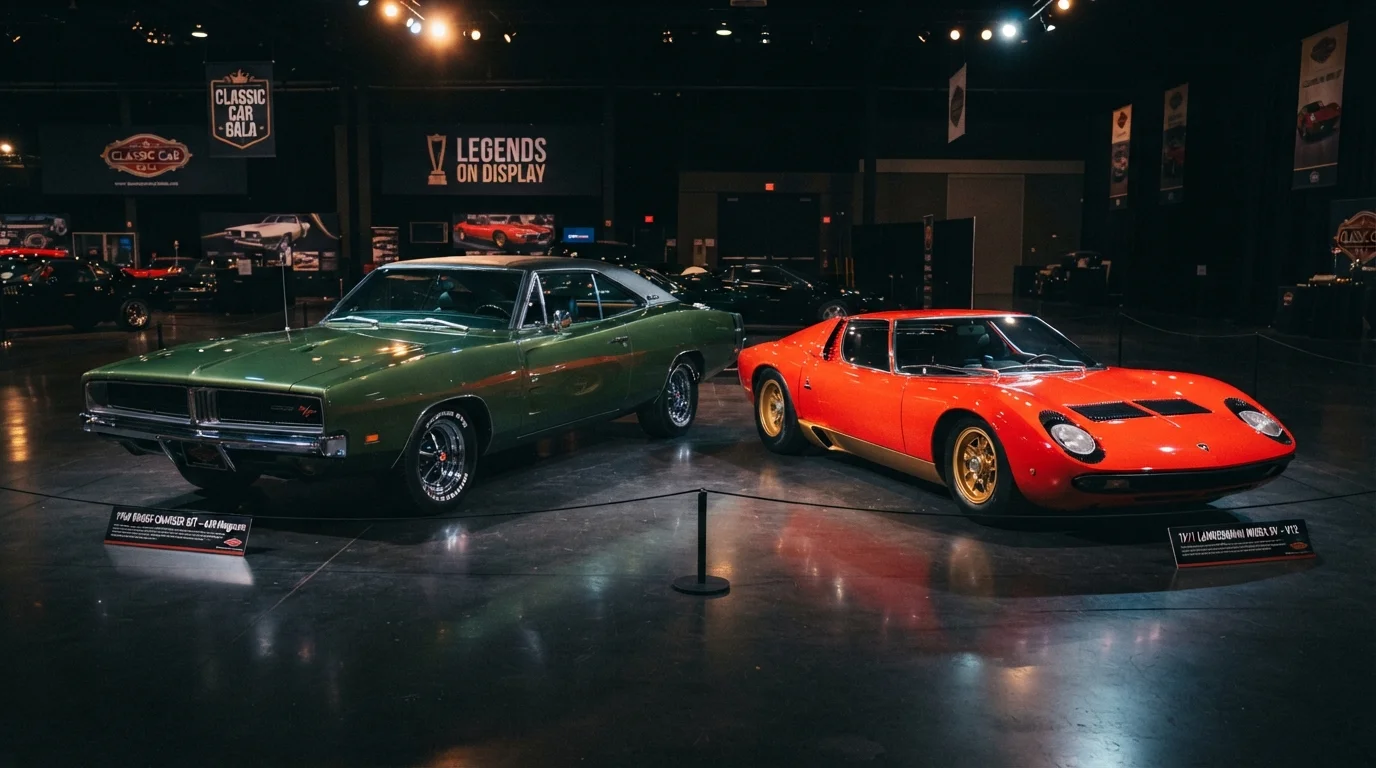
Major collector car auctions provide the clearest evidence of how the market prices originality versus restoration. Across the American muscle, European sports car, and postwar American marque segments, a consistent pattern emerges: well-documented, high-option survivors of genuinely rare models tend to set the upper boundary of a given model's price range. The reasoning is straightforward - once an original car is restored, that originality is permanently lost. Rarity, by definition, cannot be manufactured.
| Criterion | Factory Original | Restored to Spec |
|---|---|---|
| Provenance value | Highest possible - irreplaceable | Dependent on documentation quality |
| Auction ceiling (rare models) | Typically sets the upper boundary | Strong but generally below top survivor |
| Presentation appeal | Variable; wear is accepted by purists | Consistently high if correctly executed |
| Concours judging suitability | Eligible in survivor classes; limited elsewhere | Competitive across most judged categories |
| Risk of undisclosed alterations | Requires verification of all components | Restoration scope should be fully documented |
| Numbers-matching status | Critical for top-tier valuation | Important; loss of matching parts is penalized |
| Market liquidity | Narrow buyer pool for worn examples | Broader appeal across collector segments |
That said, the relationship is not absolute. An unrestored survivor in poor mechanical condition with faded, flaking paint does not automatically outvalue a carefully executed, documented correct restoration of the same model. Condition grade interacts with originality in complex ways. The collector community broadly distinguishes between a presentable survivor and a deteriorated original - and prices reflect that distinction sharply.
For context on what drives the largest valuation gaps between ostensibly similar examples, our analysis of the variables separating $30,000 classics from $300,000 ones explores how originality, documentation, and model rarity compound rather than add linearly.
The Role of Documentation and Numbers Matching
Documentation is the force multiplier for both categories - but it is especially decisive for unrestored originals. A survivor car accompanied by its original window sticker, build sheet, dealer invoice, and a verifiable ownership history presents a far more compelling case than an equally original car with no paper trail. Buyers at the top of the market are effectively purchasing a verifiable story, not merely a physical object.
20-40%
Typical premium for documented survivor vs. restored equivalent
Industry observers and auction specialists generally cite this range for high-demand models where provenance documentation is complete and components are verifiably original.
~30%
Value discount for restoration using non-original components
Collector car appraisal frameworks commonly note significant valuation reductions when numbers-matching drivetrain components have been replaced, even with period-correct alternatives.
Top 10%
Auction results driven by originality and documentation combined
Market analysts observing major US collector auctions have noted that cars combining rare factory options, full documentation, and unrestored status consistently occupy the highest percentile results within their model range.
Numbers matching - the presence of original, factory-stamped drivetrain components that correspond to the vehicle's VIN and production records - matters in both categories. For a factory original, intact stampings corroborate the car's unaltered status. For a restored example, numbers-matching components confirm that the restoration respected the vehicle's identity rather than substituting more common or incorrect parts. Our dedicated analysis of what numbers matching really means for collector value decodes how these stampings and codes are verified and why they move prices.
Restorations that replace original, numbers-matching components - even with period-correct substitutes - occupy a permanently lower tier in the authenticity hierarchy, regardless of execution quality.
Community Values, Marque Culture, and the Survivor Philosophy
Valuation does not occur in a vacuum. Different collector communities have developed distinct philosophies about originality and restoration that directly influence what the market will pay. Within certain marque clubs and concours organizations, an unrestored survivor in honest, presentable condition is treated as irreplaceable and is celebrated accordingly. This philosophy - sometimes called the survivor ethos - has grown considerably more influential over the past two decades, reshaping auction expectations and club judging criteria alike.
Survivor Classification Is Not Standardized
No single industry body defines what qualifies as a survivor car, and thresholds vary meaningfully between marque clubs, auction houses, and concours organizations. Some accept cars with correctly documented mechanical work; others require completely untouched status including original fluids and hoses. Buyers should verify the specific criteria used by any organization whose classification they are relying on for valuation purposes.
Our editorial on the case for leaving survivor cars untouched examines how this shift has played out across collecting segments. Related to this is the broader question of patina: whether original aged finishes represent authentic history or simply deferred maintenance. The answer depends entirely on which community and which model you are discussing - and why some collectors prize original finishes over fresh paint offers perspective on that ongoing debate.
Restoration quality standards also vary by community. A rotisserie-level correct restoration may be the gold standard for one marque's judging class, while a driver-quality restoration of the same caliber might actually be penalized in another. Understanding the specific culture surrounding a model is not optional - it is a prerequisite for accurate valuation.