What Each Approach Actually Involves
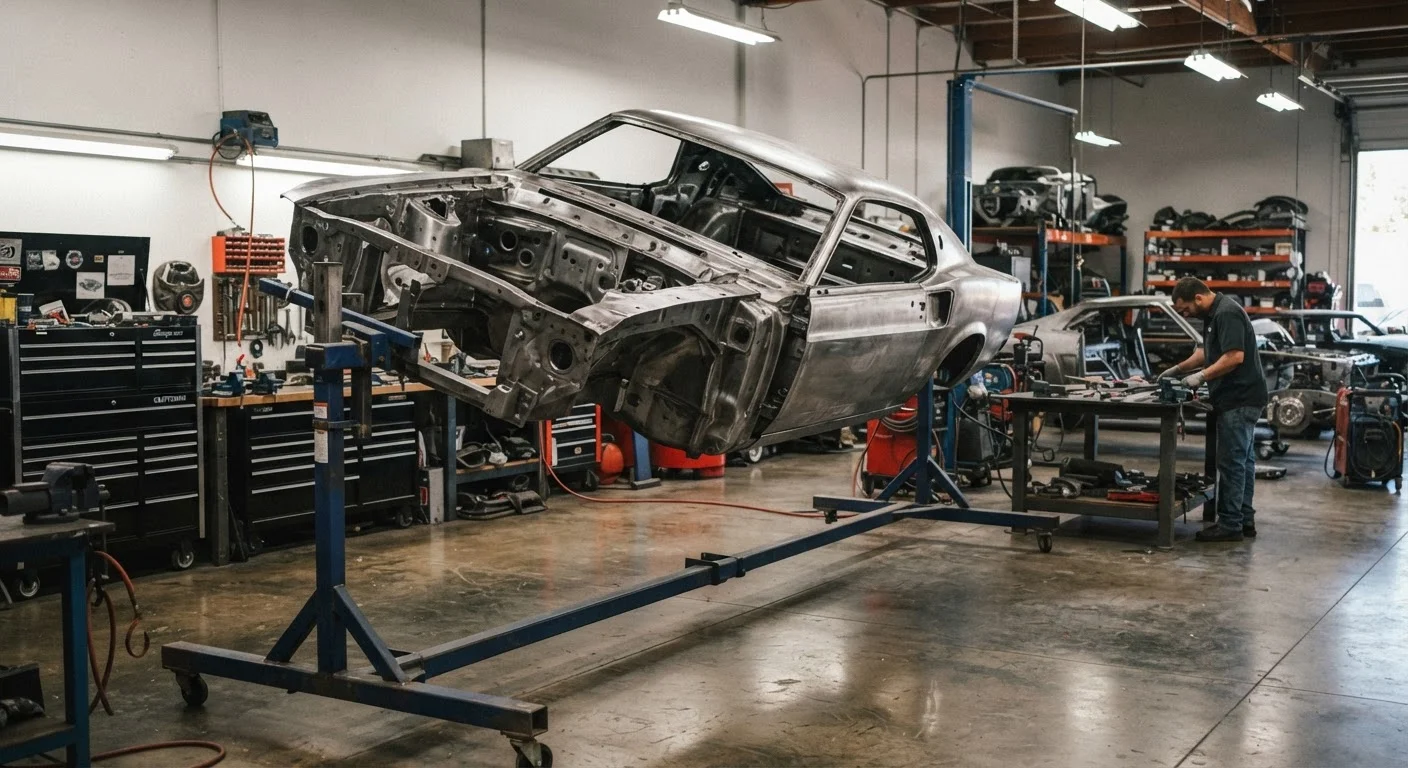
The term rotisserie restoration refers to a complete teardown of a vehicle - every component removed, the bare shell mounted on a rotating frame for full access - followed by systematic rebuild to factory or better-than-factory standards. Rust is addressed to bare metal, every seam is resealed, wiring harnesses are replaced, and the finished car is reassembled with period-correct or date-coded parts. The process routinely spans two to five years for a professional shop build and demands meticulous documentation.
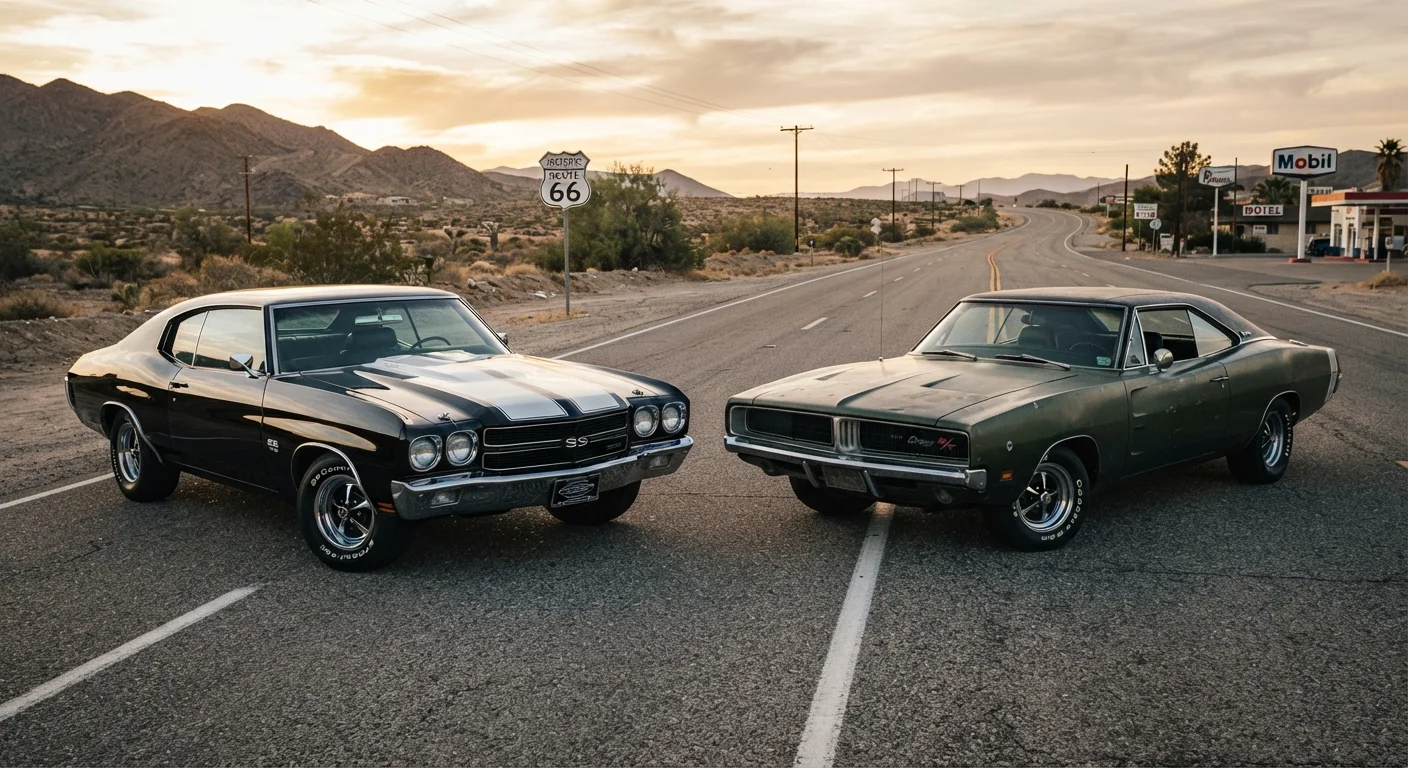
A driver-quality restoration, sometimes called a #3 condition car in collector grading terminology, targets a different outcome entirely. Structural rust is repaired or stabilized, mechanicals are rebuilt to reliable running condition, and cosmetics are brought to a clean but not concours standard. Panel gaps may not be laser-perfect; the engine bay may show some overspray. The car looks good on the street and drives confidently - which, for many owners, is precisely the point.
Understanding the distinction matters before a single fastener is turned. As explored in the end-to-end restoration and value guide, the decision made at the outset shapes every cost, timeline, and resale outcome that follows.
Cost, Time, and Hidden Expenses
Rotisserie work is expensive by nature. A professional rotisserie build on a desirable 1960s or 1970s American muscle car can range broadly from $60,000 to well over $150,000 depending on marque, parts availability, and shop rates - and that range assumes a solid starting shell. Rare stampings, correct-date exhaust manifolds, and factory-spec paint codes each add cost. Enthusiasts frequently underestimate how quickly bodywork overruns and sourcing delays compound; the hidden costs that erode a restoration's return are especially acute at this tier.
Driver-quality work is substantially more accessible. A clean mechanical and cosmetic restoration on a popular platform - fresh paint, rebuilt drivetrain, addressed rust - can often be completed for $15,000 to $40,000, depending heavily on labor market and parts sourcing. The tradeoff is that corners cut at the cosmetic or structural level can surface later, particularly if deferred rust repair was part of the original compromise.
#3
Condition grade typical of driver-quality restorations
The Hagerty and major auction house condition scale rates #1 as concours and #3 as a clean, road-ready driver - the tier most frequently traded in the private collector market.
2-5 yrs
Typical professional rotisserie build timeline
Industry estimates from restoration shops consistently place full rotisserie projects in the two-to-five-year range, with rare or parts-scarce vehicles extending further.
Both approaches share one financial truth: restoring to a standard that exceeds the vehicle's market ceiling destroys equity. A rotisserie build on a common, low-option car that sells for $25,000 in top condition is rarely a sound financial decision, regardless of quality.
How Restoration Method Shapes Market Value
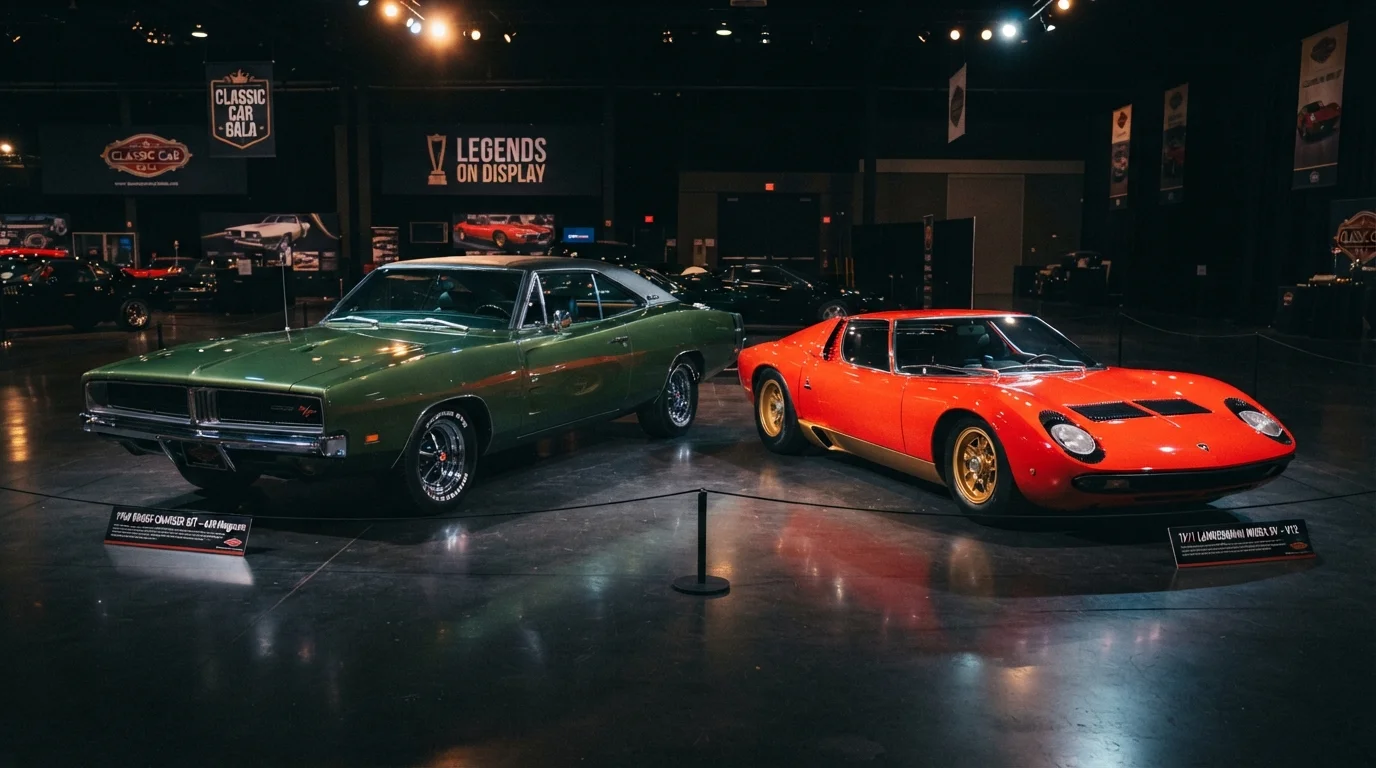
At the collector auction level, documented rotisserie restorations on correct, numbers-matching cars command meaningful premiums. Judges and sophisticated buyers look for evidence - photo documentation, receipts, build sheets - that the work was done thoroughly and to period-correct standards. The standards that define a correct restoration, from date-coded components to factory finish textures, directly influence where a car places at judged events and how aggressively bidders compete.
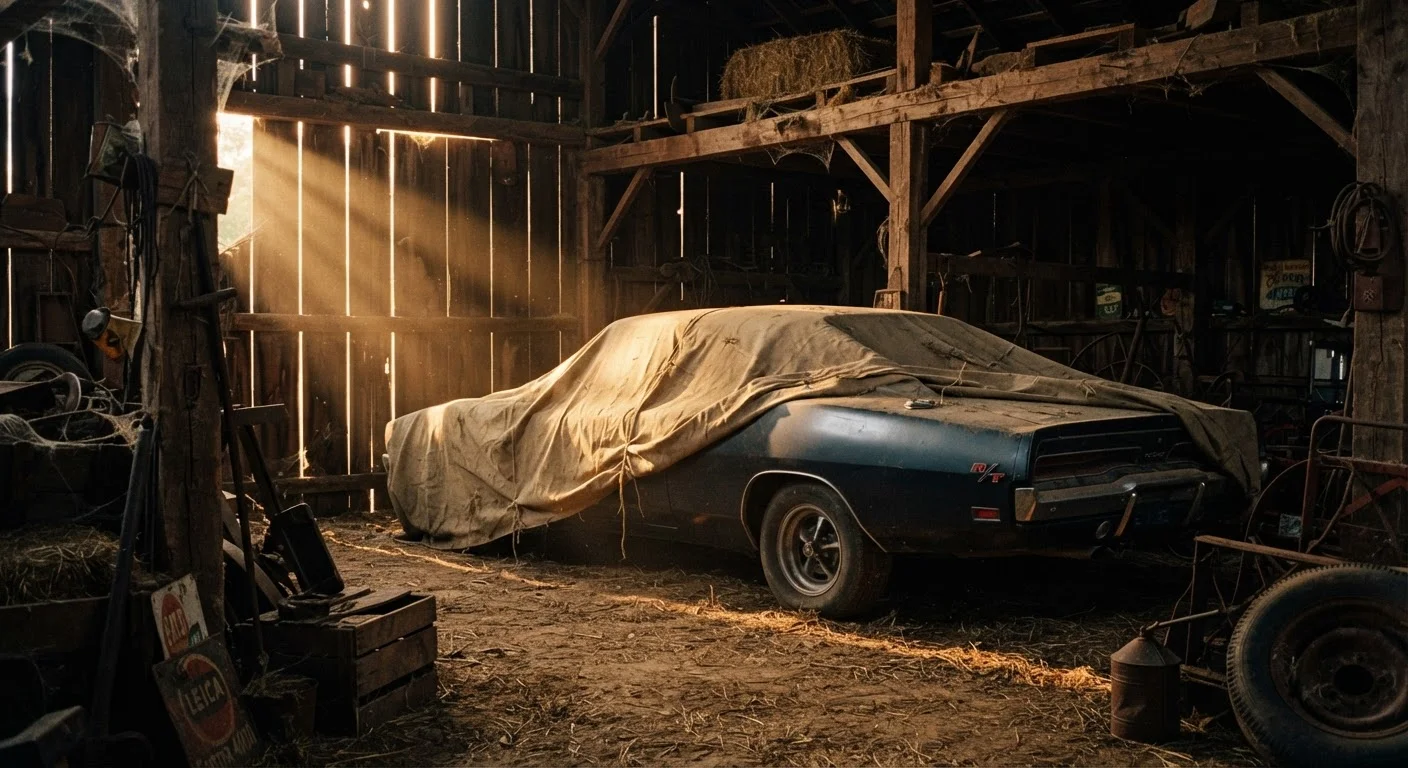
Driver-quality cars occupy a different but legitimate market tier. They attract a broader pool of buyers - enthusiasts who want to use the car - and often sell more quickly than top-dollar show pieces precisely because the acquisition price is realistic. The comparison between original and restored examples is instructive here: a clean driver often outpaces a poorly documented rotisserie car in practical resale speed, if not raw dollar value.
| Rotisserie Restoration | Driver-Quality Restoration | |
|---|---|---|
| Typical cost range | $60,000-$150,000+ | $15,000-$40,000 |
| Timeline | 2-5+ years (professional) | 6 months-2 years |
| Structural rust treatment | Full bare-metal correction | Targeted repair or stabilization |
| Parts standard | Date-coded, factory-correct | Functional correct-spec or quality repro |
| Concours eligibility | Yes, with documentation | Generally no |
| Daily/tour driving suitability | Possible but costly to maintain | Well-suited |
| Auction premium potential | High on correct, rare cars | Moderate; broader buyer pool |
| Equity risk on common cars | High - ceiling often not reached | Moderate - cost aligns with market |
For a deeper look at how philosophy shapes long-term collector value, the concours vs. driver-quality build comparison offers additional perspective on where each approach fits within the broader collector market.
Matching the Method to the Car and the Owner
Vehicle rarity and documented provenance are the most reliable guides. A numbers-matching, low-production option car from a blue-chip marque can justify rotisserie investment because the market ceiling is high enough to support - and sometimes recoup - that expenditure. A desirable but common platform with a strong driver market rarely pencils out at rotisserie cost.
Equally important is honest self-assessment of intended use. If the car will be driven regularly, entered in tours, or enjoyed at informal cruise nights, a driver-quality restoration delivers more practical return per dollar spent. Show-level finishes suffer from road use; a rotisserie car kept under cover to protect its investment is a different ownership experience than most enthusiasts originally envision.
Document Everything, Regardless of Approach
Whether you pursue rotisserie or driver-quality work, thorough photo documentation and retained receipts add measurable value at resale. Buyers at every market tier respond to verifiable proof of what was done and when. A binder of dated shop invoices and before-and-after photos can meaningfully differentiate your car from undocumented examples at the same asking price.
Neither path is inherently superior. The restoration method that aligns with the vehicle's actual market position, your realistic budget, and your genuine intended use is the correct one - regardless of what any single approach costs at its most ambitious expression.