What 'Correct' Actually Means in Restoration Judging
In classic vehicle restoration, the word correct carries precise, evaluable meaning. It does not simply mean clean, attractive, or expensive - it means the vehicle accurately reflects how it left the factory on a specific date, built to a specific order, for a specific market. This distinction separates restorations that win at sanctioned events from those that merely look impressive in photographs.
Major marque clubs - such as the Mustang Club of America, the National Corvette Restorers Society, or the Classic Car Club of America - publish detailed judging standards that define correctness by category: body finish, mechanical assembly, interior materials, chassis preparation, and data plate compliance. Understanding the framework these organizations use is the starting point for any restorer or buyer who wants to evaluate quality with confidence.
It is worth noting that correct is not a single universal standard. A concours restoration targets factory-new appearance at the moment of delivery. A "preservation class" entry celebrates documented originality over freshness. And a driver-quality restoration prioritizes reliability and aesthetics over strict authenticity. For a deeper look at how these choices affect long-term value, see our end-to-end restoration and value guide.
Concours vs. Driver Quality: Know Your Target Standard
A concours-correct restoration is judged against factory-delivery standards and requires date-coded components, correct finish textures, and documented authenticity at every level. A driver-quality restoration prioritizes mechanical reliability and visual appeal, and typically accepts quality reproductions and modern safety upgrades. Neither standard is inherently superior - they serve different purposes and attract different buyers. Establishing which standard you are targeting before work begins will prevent misaligned spending and expectations.
Date Codes, Casting Numbers, and the Paper Trail Under the Hood
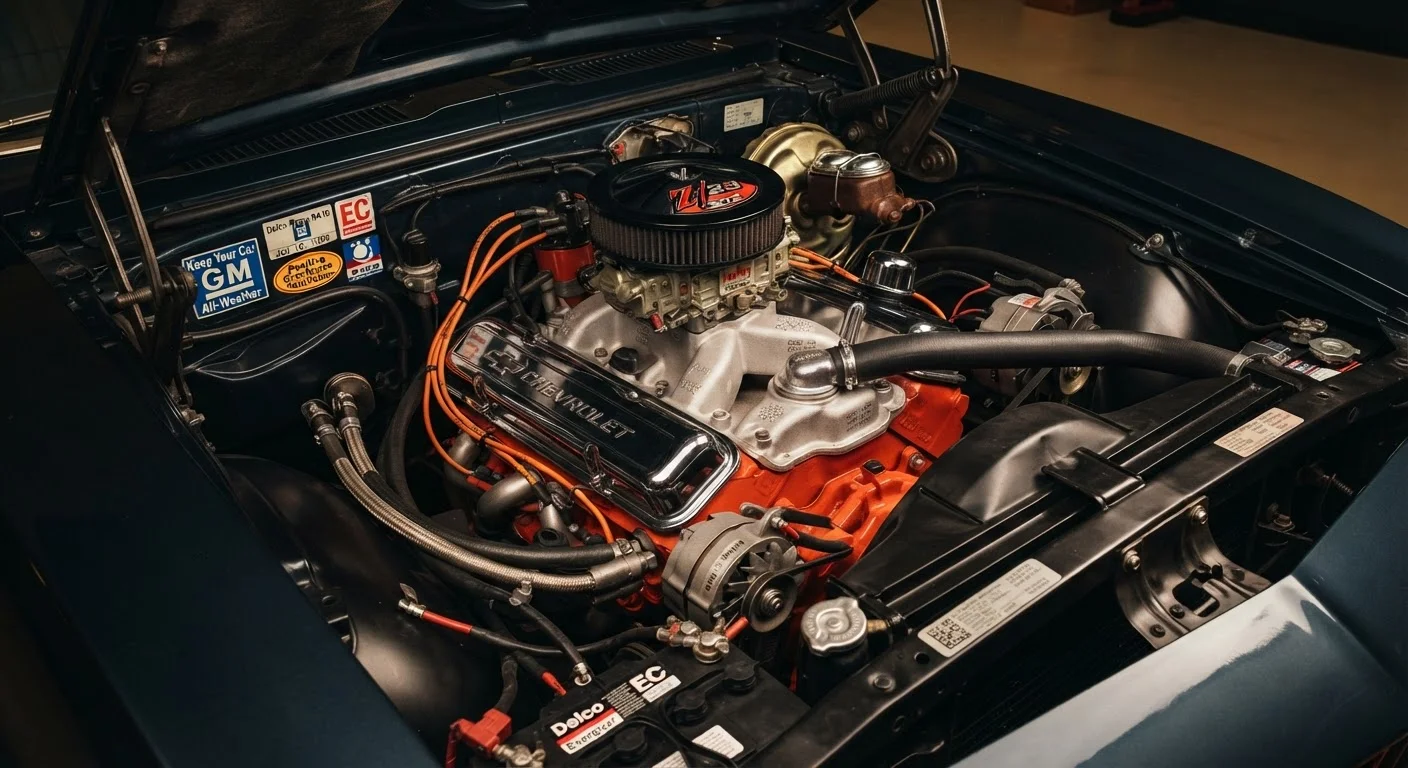
Engine blocks, cylinder heads, carburetors, alternators, and dozens of other components were stamped or cast with date codes during the factory assembly process. For a restoration to be considered correct at the highest levels, these codes must fall within a plausible range preceding the vehicle's documented assembly date - typically no more than a few weeks prior, since manufacturers drew from rolling inventory.
Decoding these stamps is a discipline unto itself. Resources like marque-specific factory assembly manuals, Fisher Body Service manuals (for GM vehicles), and club-published decode guides allow restorers and judges to verify whether a carburetor, for example, was manufactured in a date window consistent with the car's build. An incorrect date - whether too early or post-assembly - raises immediate authenticity questions.
Casting numbers on iron components tell a parallel story. A correct casting number confirms the part is the right design for that application, while a matching date code confirms it is the right vintage. Both are required for a top-score restoration. Owners who have assembled their car's documentation history will find that building a thorough provenance file makes cross-referencing these details far more defensible during judging.
Parts Sourcing: NOS, Date-Correct Used, and Quality Reproductions
The hierarchy of acceptable parts depends on the restoration class being targeted. At the top sits NOS - genuine factory-produced components that were never installed. NOS is the gold standard because it carries original finishes, markings, and tolerances, but it commands a significant price premium and is increasingly scarce for popular marques.
Date-correct used parts are the practical workhorse of high-quality restorations. A used original carburetor with the right date code and casting number, properly rebuilt, is more correct than a modern reproduction in the eyes of most judging standards. Sourcing these pieces requires patience: marque swap meets, estate sales, and specialist dealers are the primary channels.
Quality reproduction parts occupy a legitimate role in driver-quality and budget-constrained restorations, but restorers should understand their limitations. Many reproductions lack correct stampings, plating processes, or material specifications. Some high-quality suppliers work from original tooling and achieve near-correct results; others do not. The parts explained hub offers useful background on component specifications that can inform these sourcing decisions.
Paint Codes, Finish Textures, and the Factory Appearance Standard
Exterior color is the most visible correctness criterion and, paradoxically, one of the most commonly compromised. Factory paint codes are documented in the vehicle's data plate or trim tag, and original formulations are archived by color-matching services and marque clubs. A correct restoration uses the documented code mixed to period specifications - not a modern approximation that reads differently under show lighting.
Equally important are finish textures and sheen levels applied to areas that are not body-color painted. Firewall surfaces, inner fender aprons, frame rails, and floor pans received specific factory treatments: phosphate coatings, semi-gloss blacks, body-color overspray patterns, and underbody sealers applied in documented sequences. Judges at serious events evaluate these areas with the same scrutiny as the exterior. Overspray patterns - where body color drifted onto engine bay surfaces during factory assembly - are a particularly telling authenticity indicator, and a restoration that eliminates them entirely can be marked down.
Interior materials present similar challenges. Correct grain patterns on vinyl surfaces, thread colors on seams, carpet pile specifications, and headliner textures are all documented in factory service literature and marque club resources. Using a close-but-incorrect replacement is a visible deduction. This dimension of restoration is also where costs can escalate sharply - a subject covered in our analysis of hidden costs that erode restoration returns.
Balancing Authenticity Against Originality: The Patina Debate
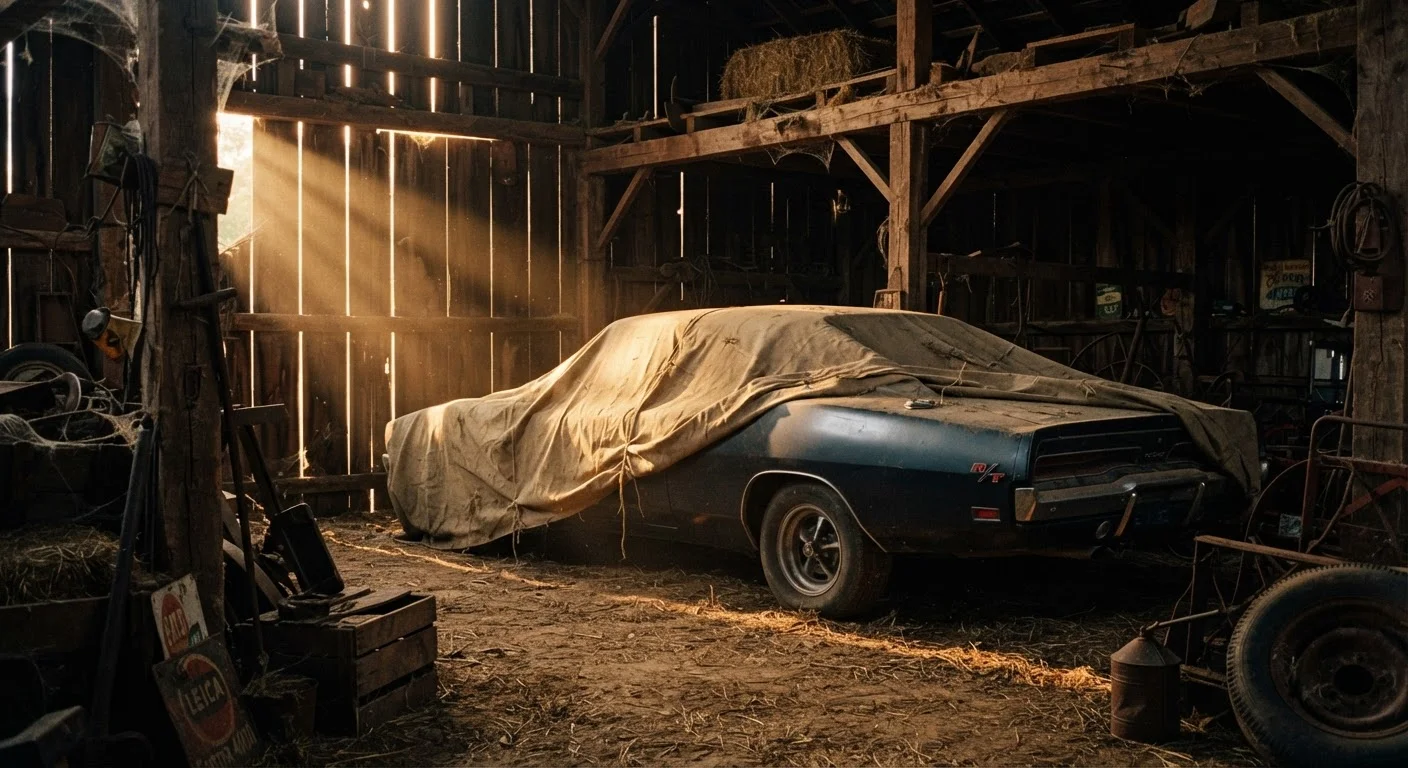
Not every collector values a freshly painted surface over an intact original one. A growing segment of the market - and a formal class at many sanctioned events - rewards vehicles that retain original factory finishes, even aged ones, because those surfaces carry an authenticity no restoration can replicate. Original paint, original interior, and an unrestored drivetrain represent a form of correctness that a concours-correct restoration, however meticulous, cannot claim.
The market implications are real. Documented, unrestored examples of desirable models can command prices that equal or exceed comparable restorations, particularly when those originals carry matching numbers and documented history. For a detailed look at this philosophy and its market dynamics, see our article on patina versus fresh bodywork.
“Originality is the one thing you can never restore. Once you paint over it, that chapter of the car's history is closed forever.”
— Kevin Mackay, Concours restorer and vintage Corvette preservation specialist
The practical takeaway for enthusiasts evaluating a restoration is that correct is always context-dependent. Define the standard - concours, driver, preservation - before assessing whether a given vehicle meets it. A car judged against the wrong rubric will almost always disappoint.
This article is for general informational and educational purposes only. Vehicle valuations, restoration standards, and parts availability change over time; consult marque-specific clubs, certified appraisers, and qualified restoration professionals for guidance specific to your vehicle and goals.