Why Provenance Claims Break Down in Niche Markets
Specialty and collector vehicles occupy a market where documented history can represent a substantial share of total value. A muscle car with verified factory options, a prewar roadster with an unbroken ownership chain, or a limited-production sports car with competition records can command premiums that dwarf the price of an otherwise identical but anonymous example. That premium creates a powerful incentive - intentional or not - for histories to be embellished, compressed, or constructed outright.
The problem is not confined to outright fraud. Many provenance failures arise from honest errors: sellers who genuinely believe family lore, documentation that was lost and informally reconstructed, or records attributed to the wrong chassis after decades of confusion. The outcome for buyers is the same regardless of intent - a vehicle priced on claims that do not survive independent review.
Understanding where these failures originate is the first step toward protecting yourself. The mistakes outlined here represent the patterns most commonly identified by professional appraisers, marque registrars, and auction specialists working in the niche vehicle space. For a broader view of how documentation supports value over time, see how provenance documents shape a classic vehicle's story and its price.
Accepting a seller's verbal narrative as a substitute for documented evidence.
Why it happens: Compelling stories - celebrity ownership, racing provenance, factory special orders - are persuasive, and buyers often want to believe them. The emotional appeal of a great origin story can override the instinct to demand paper proof.
Relying on photocopied or uncertified documents without tracing them to primary sources.
Why it happens: Sellers sometimes present copies of build sheets, letters, or title records without buyers realizing those copies can be altered, fabricated, or selectively presented. The professional appearance of documentation creates misplaced confidence.
Ignoring data plate and VIN inconsistencies in favor of seller assurances.
Why it happens: Decoding cowl tags, door data plates, and partial VINs requires specialized knowledge that many general-market buyers lack. Sellers may downplay discrepancies as insignificant or attribute them to past restorations.
Treating a high auction result for a similar vehicle as proof of the current vehicle's value or authenticity.
Why it happens: Buyers and sellers alike sometimes cite record-breaking auction sales as benchmarks, conflating the documented, independently verified condition of those reference vehicles with an unverified example in front of them.
Overlooking gaps in ownership chain continuity as a provenance weakness.
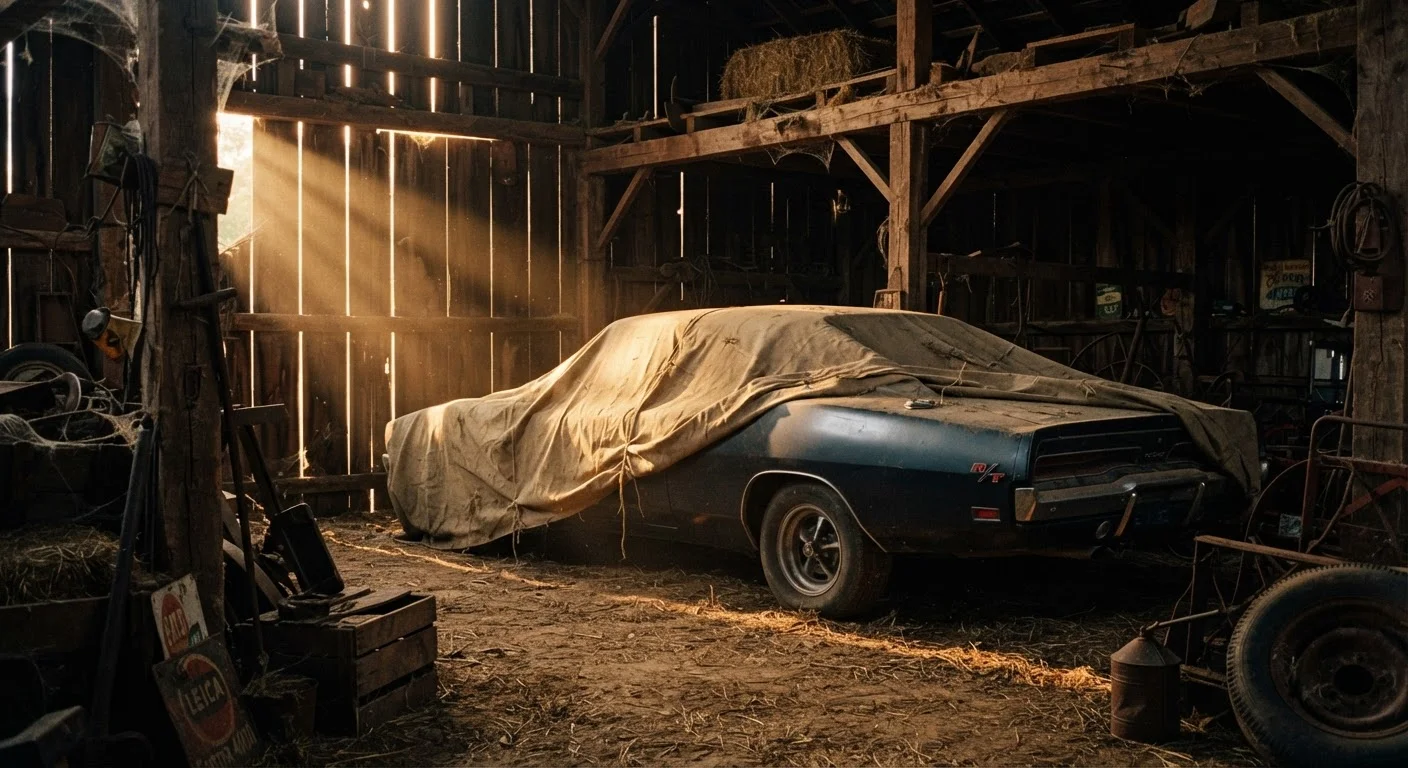
Why it happens: Buyers often focus on headline claims - first owner, barn find, competition history - while glossing over years or decades where the ownership record goes dark. Those gaps are precisely where fabricated histories are inserted.
Conflating a professional restoration with documented originality.
Why it happens: A concours-quality restoration can make a vehicle appear factory-correct to non-specialists, blurring the distinction between preserved authenticity and skilled recreation. Sellers may not always clarify this distinction proactively.
Raising Your Documentation Standard Before Committing
Avoiding these mistakes requires shifting the burden of proof. In a well-documented transaction, the seller produces records; the buyer independently verifies them. That distinction matters enormously in a market where compelling presentation often masquerades as evidentiary strength.
Provenance Claims Have Real Financial Stakes
In the specialty vehicle market, a convincingly told but unverifiable history can add thousands - sometimes tens of thousands - of dollars to a vehicle's asking price. This is general educational information, not legal or financial advice. For decisions involving significant sums, consult a qualified appraiser and, where appropriate, a licensed attorney familiar with vehicle transactions.
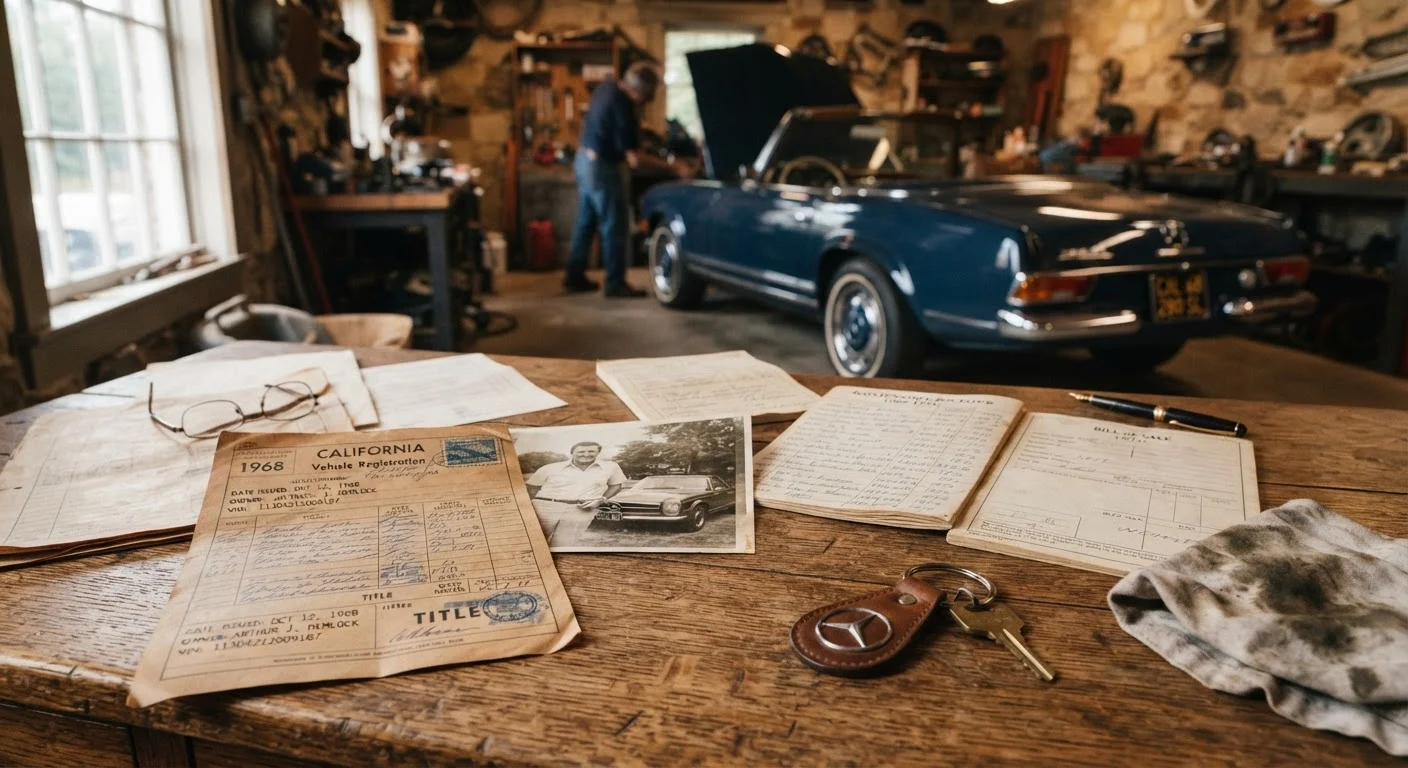
Start by separating primary sources - original titles, manufacturer build records, period registration documents - from secondary or derived materials. Cross-reference claimed histories against marque club registries, which often maintain chassis records spanning decades. Where factory archives exist, a request for a heritage certificate or build record confirmation can resolve ambiguities that no amount of seller assurance can address.
For vehicles intended for auction or insurance purposes, the documentation standard rises further still. What appraisers and auction houses actually need differs from what satisfies a private buyer, and preparing for that scrutiny in advance exposes weaknesses before they become expensive surprises.
Buyers who invest time in building their own research file - independent of anything the seller provides - are consistently better positioned to evaluate whether a claimed history holds together. That process of independent documentation is explored in depth at documenting a classic car's history. Understanding which records carry genuine evidentiary weight - rather than which ones look impressive - is the subject of what documentation actually proves a vehicle's claimed history.
This article provides general educational information about specialty vehicle markets and is not legal, financial, or appraisal advice. For decisions involving significant sums, consult a qualified, licensed appraiser or attorney familiar with collector vehicle transactions.