How Your Brake System Works
Every time you press the brake pedal, you're triggering a hydraulic chain reaction. The pedal compresses fluid in the master cylinder, sending pressurized brake fluid through steel and rubber lines to the calipers at each wheel. The calipers squeeze brake pads against spinning rotors, and friction converts the vehicle's kinetic energy into heat - slowing or stopping the vehicle.
That sequence involves several distinct components, each aging at its own rate. Understanding which parts wear quickly, which last the life of the vehicle, and which degrade invisibly helps you build a maintenance rhythm that keeps the system reliable. For a broader look at how fluids factor into overall vehicle health, see our guide to fluid checks every driver should know.
Brake pad
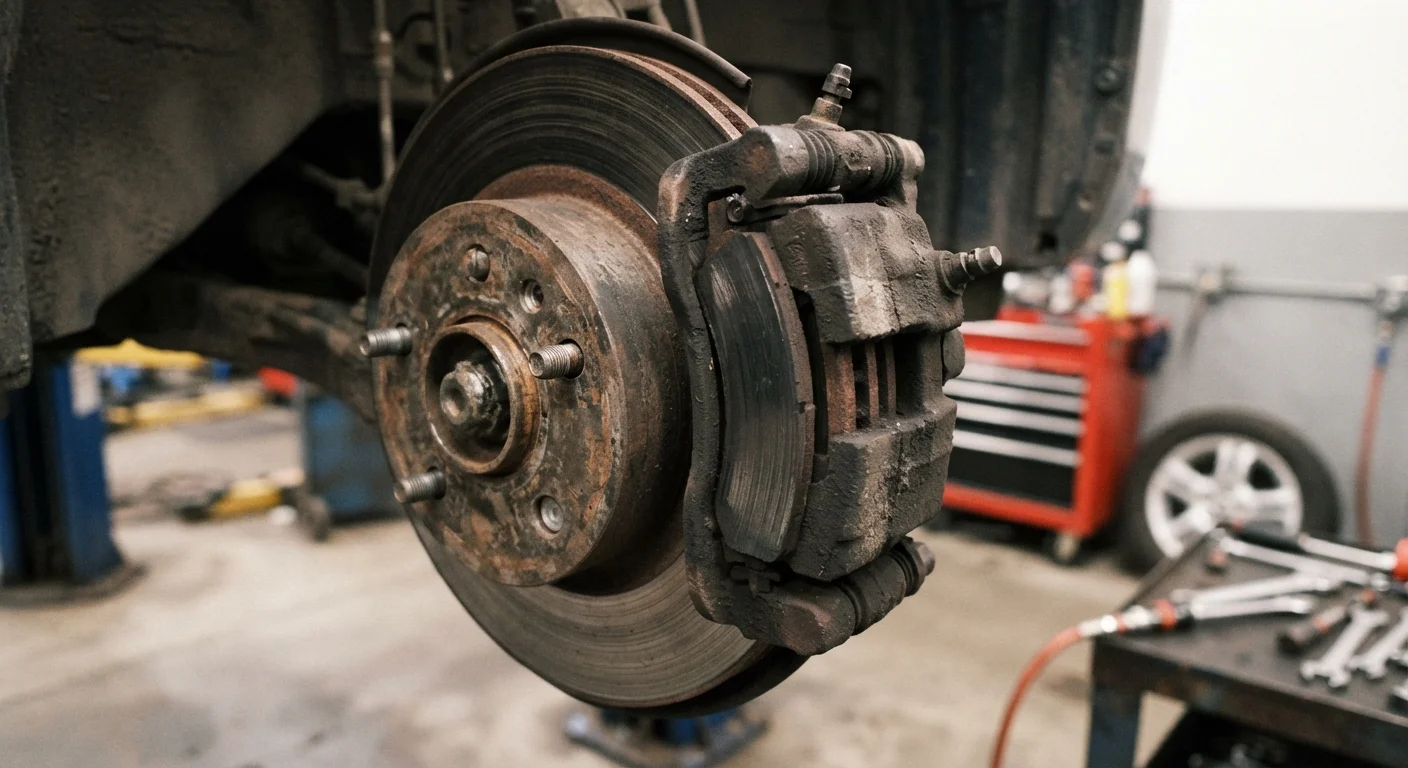
A friction material bonded to a metal backing plate that presses against the rotor to slow the wheel. Pads are the primary consumable component in a disc brake system.
Rotor (brake disc)
A metal disc that rotates with the wheel. When the caliper squeezes the brake pads against it, friction converts the vehicle's kinetic energy into heat, slowing the vehicle.
Caliper
The hydraulic clamp that straddles the rotor and squeezes the brake pads inward when you press the brake pedal. It houses one or more pistons driven by brake fluid pressure.
Brake fluid
A hydraulic fluid that transfers force from the brake pedal through the lines to the calipers. It must maintain a high boiling point to function safely under heat.
Hygroscopic
A property describing a substance that absorbs moisture from the surrounding air. Brake fluid is hygroscopic, which is why it degrades over time even without heavy use.
Minimum thickness spec
The manufacturer-defined minimum acceptable thickness for a rotor or brake pad. Operating below this spec risks rotor cracking, brake fade, or complete pad failure.
Brake fade
A temporary loss of braking power caused by excessive heat, usually from prolonged heavy braking or degraded brake fluid. It can feel like the pedal suddenly requires much more pressure.
Components That Wear: Pads and Rotors
Brake pads are the single most frequently replaced brake component. They're designed to be the sacrificial element - friction material wears away so the rotor isn't destroyed on every stop. Most pads include a small metal wear indicator tab that contacts the rotor when thickness drops to the replacement threshold, producing the familiar high-pitched squeal.
Pad lifespan typically ranges from 25,000 to 70,000 miles, depending on pad compound (organic, semi-metallic, or ceramic), driving environment, and vehicle weight. Heavy towing or mountain driving can cut that range significantly.
Rotors last longer - often through two or three pad sets - but they're not indefinite. Each braking event removes a microscopic layer of metal. Rotors also develop surface variations over time, which can cause pedal pulsation or vibration through the steering wheel. Before resurfacing or reusing a rotor, a technician should measure its thickness against the manufacturer's minimum thickness spec stamped on the rotor itself. A rotor already at its minimum must be replaced, not resurfaced.
Build Inspections Into Your Routine
Schedule a visual brake inspection at every tire rotation - typically every 5,000-7,500 miles. Many shops include a basic brake check at no extra charge during tire service. Catching worn pads early almost always costs less than replacing damaged rotors later.
Components That Last Longer: Calipers, Lines, and Hardware
Calipers don't follow a mileage-based replacement schedule under normal conditions, but they can and do fail. Piston seals deteriorate with age and heat cycles. Slide pins - which allow the caliper to move parallel to the rotor - corrode if not lubricated during pad changes. A seized caliper keeps the pad in constant contact with the rotor, causing accelerated wear, heat buildup, and pulling to one side under braking.
Brake lines are similarly long-lived but not immune to failure. Steel lines can corrode from the outside in, particularly in regions where road salt is used in winter. Rubber flex hoses at each wheel can crack or swell internally, restricting fluid flow or causing a dragging sensation. Inspect both during any brake service. For a deeper look at how brake lines relate to other hydraulic components, the fluid-by-fluid reference covers the full picture.
Drum Brakes Are Still Common
Many vehicles - particularly on rear axles - still use drum brakes rather than disc brakes. Drum systems include wheel cylinders, brake shoes, and a drum instead of a rotor and caliper. The wear principles are similar: shoes are the consumable, and cylinders can leak over time. The same habit of regular inspection applies.
Brake Fluid: The Overlooked Maintenance Item
Brake fluid is hygroscopic - it pulls moisture from the atmosphere over time, even through microscopic permeation in rubber hoses. As water content rises, the fluid's boiling point drops. Under hard braking, overheated fluid can vaporize in the lines, creating compressible gas bubbles that result in a soft or spongy pedal - a condition called brake fade.
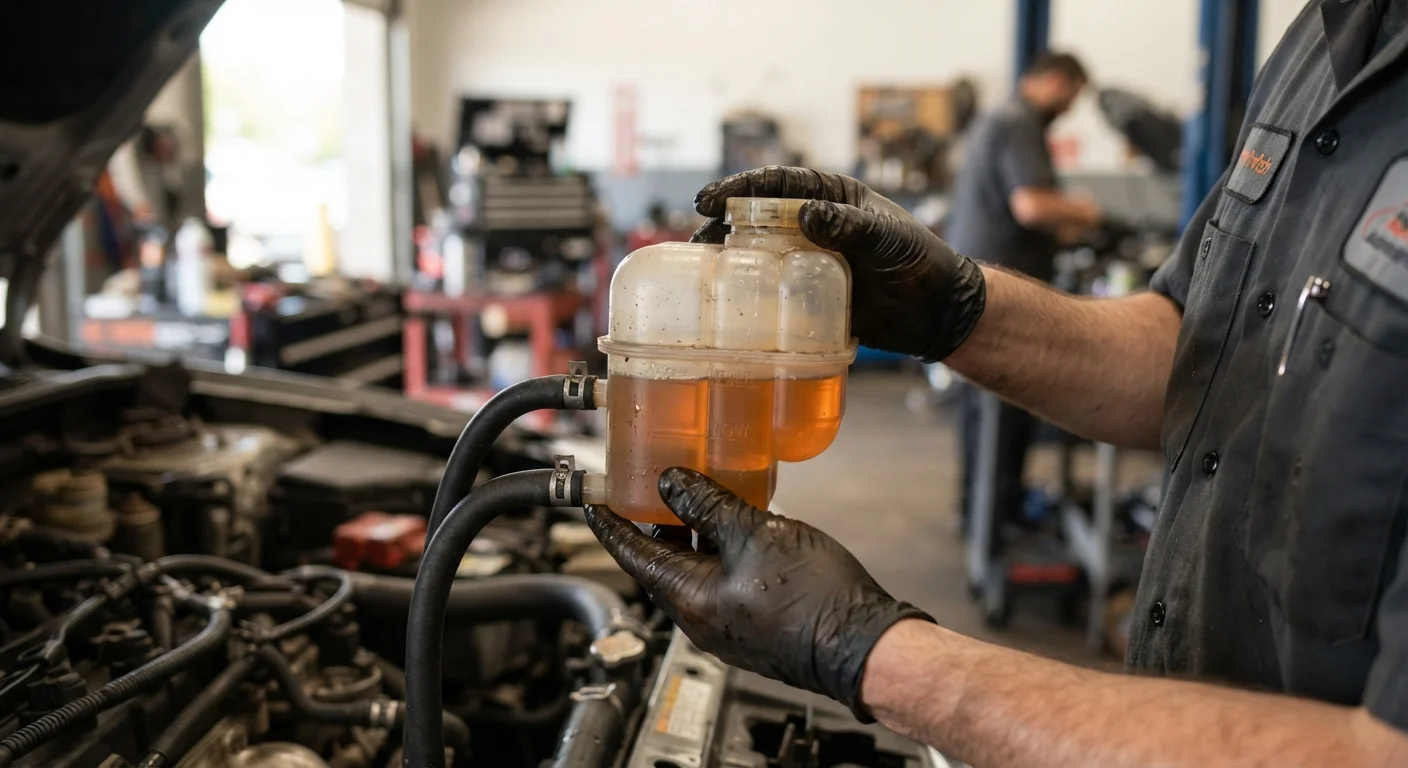
Most manufacturers recommend flushing brake fluid every two to three years, regardless of mileage. Some high-performance or tow-rated vehicles specify shorter intervals. The fluid's color - clear to light yellow when fresh, darkening to amber or brown as it ages - gives a rough visual indication, but a proper assessment requires a moisture content test strip or refractometer.
Don't Mix Brake Fluid Types
DOT 3, DOT 4, and DOT 5.1 are glycol-based fluids and are generally compatible in an emergency, but DOT 5 is silicone-based and must never be mixed with the others. Using the wrong fluid type can degrade seals and compromise hydraulic pressure. Always verify your vehicle's specified fluid type in the owner's manual before topping off or flushing.
Always use the fluid type specified in your owner's manual. The DOT rating (DOT 3, DOT 4, DOT 5.1) indicates the minimum dry and wet boiling points - higher numbers generally mean higher temperature tolerance. For more detail on brake fluid specs alongside other vehicle fluids, see the transmission fluid, coolant, and brake fluid reference.
Warning Signs You Should Never Ignore
Your brakes communicate failure through several distinct symptoms. Recognizing them early is the difference between a straightforward pad swap and a rotor replacement - or worse.
- Squealing: A persistent high-pitched squeal under normal braking indicates worn pads approaching the wear indicator. Have them inspected promptly.
- Grinding: A grinding or metal-on-metal sound means the friction material is gone and the pad's steel backing plate is contacting the rotor directly. Immediate inspection is required.
- Pulling to one side: The vehicle veering left or right during braking can indicate a seized caliper, uneven pad wear, or a restricted brake line on one side.
- Pedal pulsation: A pedal that pulses rhythmically under braking typically points to rotor runout (warping) or uneven thickness variation across the rotor surface.
- Soft or spongy pedal: A pedal that travels farther than usual before engaging suggests air in the brake lines, degraded fluid, or a failing master cylinder - each of which warrants immediate professional evaluation.
None of these symptoms are safe to monitor indefinitely. Brakes are the vehicle's primary active safety system.
DIY vs. Shop: Knowing the Boundary
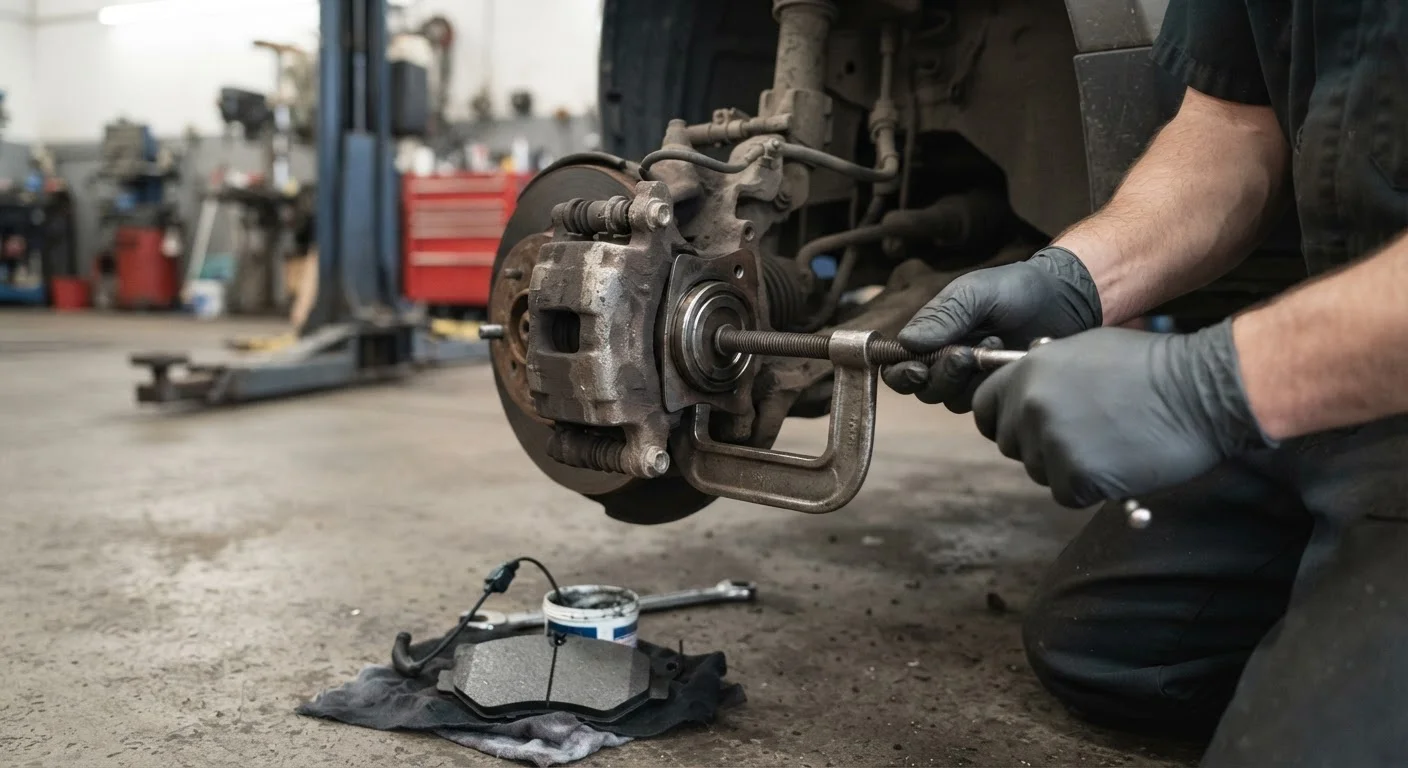
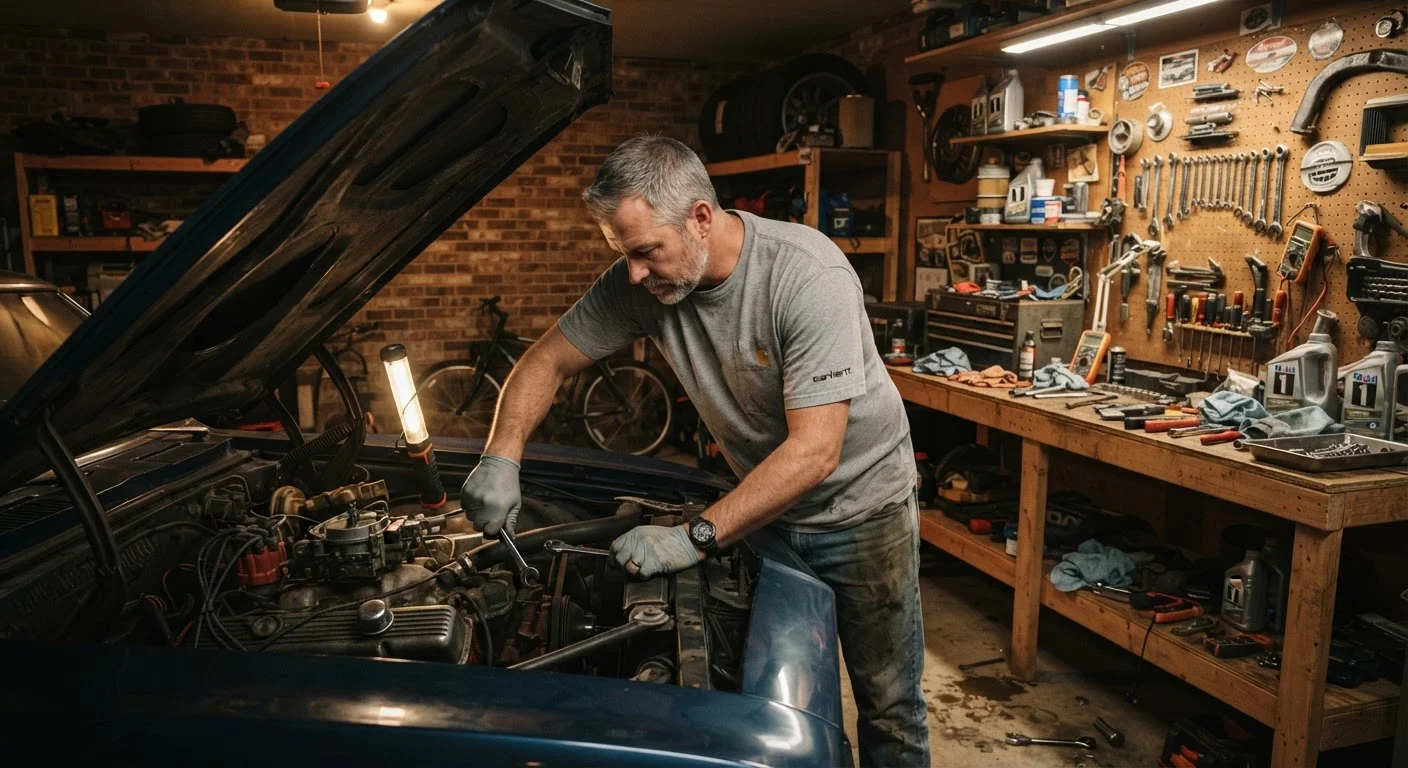
Pad replacement is one of the more accessible DIY brake jobs - it requires basic hand tools, a C-clamp or piston retraction tool, and a safe working environment. If you're building your home mechanic skills, the complete DIY vehicle maintenance guide covers the workspace setup and tool selection needed before you start. The DIY Repairs hub also has step-by-step guides for common brake jobs.
However, some brake work should go to a qualified mechanic. Brake line replacement requires proper flaring tools and pressure testing. Caliper rebuilding involves hydraulic seals that must be installed correctly to prevent fluid leaks. Any job that involves opening the hydraulic system - including a full fluid flush - requires bleeding the lines afterward to remove air, and doing this improperly leaves a dangerously spongy pedal.
When in doubt, a brake inspection at a shop is inexpensive and gives you a definitive picture of what actually needs attention. Use that information to decide what you're comfortable handling yourself and what's better left to a professional.
For context on how brake system wear compares to chassis wear patterns, the suspension components guide covers the adjacent parts that affect how braking forces translate through the vehicle.
Fluid Checks Every Driver Should Know
A companion reference covering how to check brake fluid condition alongside coolant, power steering fluid, and other critical fluids in your vehicle.
DIY Vehicle Maintenance: A Complete Guide
Covers workspace setup, essential tools, and safe job sequencing for home mechanics - including knowing when a repair is beyond DIY scope.