Why Fluid Checks Matter
Fluids are the circulatory system of your vehicle. They transfer heat, transmit force, lubricate moving parts, and protect critical components from corrosion and wear. When any one fluid is low, contaminated, or degraded, it doesn't just affect one system - cascading damage can follow. A routine visual check of five or six reservoirs takes less than ten minutes and is one of the most cost-effective forms of preventive maintenance available to any driver.
This reference covers the fluids most commonly found in passenger cars, trucks, and light-duty vehicles. For deeper detail on replacement intervals and failure symptoms by fluid type, see the fluid-by-fluid reference guide. If you notice fluid pooling beneath your vehicle, colour and location can help you identify the source before any repair begins.
| Fluids to check routinely | Engine oil, coolant, brake fluid, power steering fluid, transmission fluid, washer fluid |
| Safe coolant check condition | Cold engine only - never open radiator cap when hot |
| Brake fluid property to watch | Hygroscopic - absorbs moisture over time, lowering boiling point |
| Transmission fluid check method | Dipstick (if equipped) or sealed - consult owner's manual |
| Recommended check frequency | Monthly or every 1,000 miles as a general baseline |
| Tools needed for basic checks | Clean rag, flashlight, owner's manual - no special tools required |
The Six Core Fluids and How to Check Each One
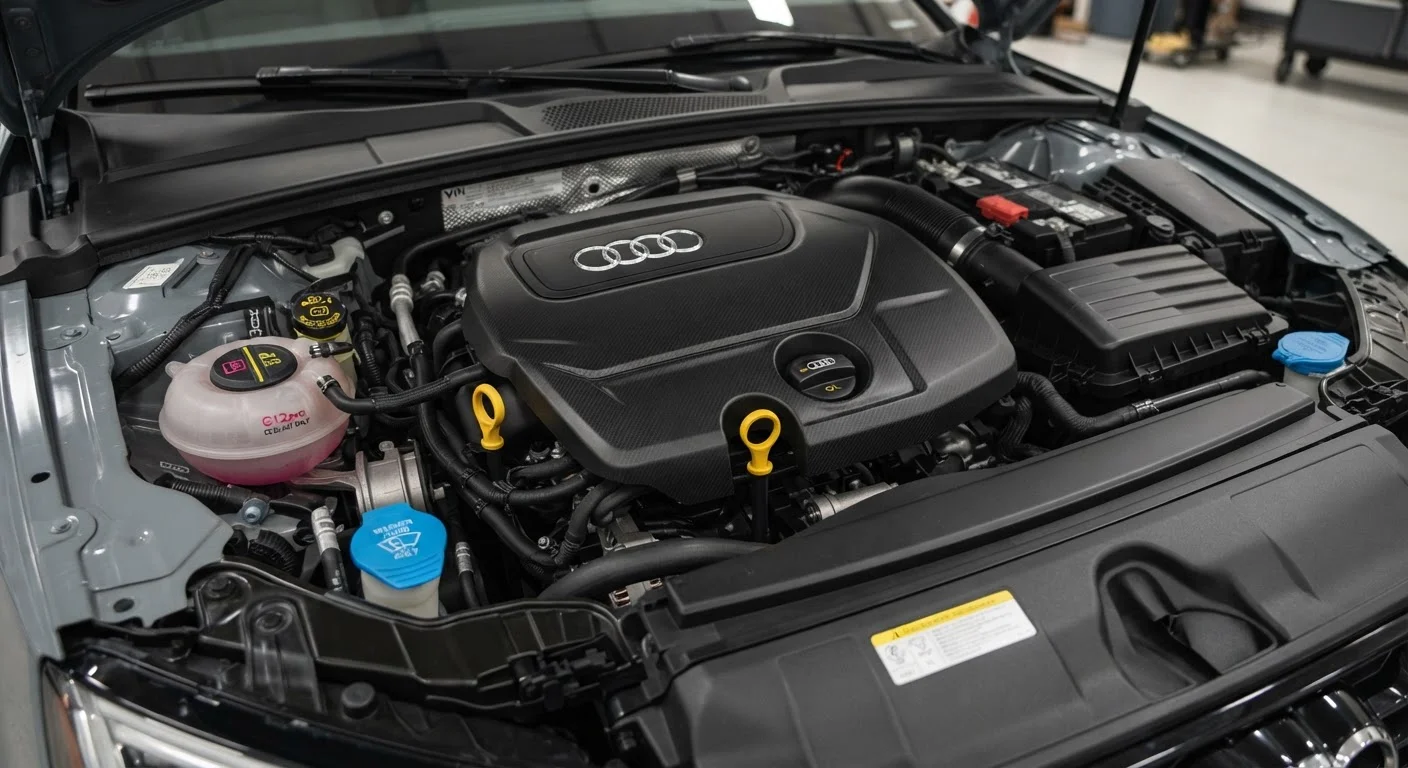
Always check fluids on a level surface. For most readings, the engine should be cold or at operating temperature as specified - engine oil and coolant readings can vary significantly depending on heat. Refer to your owner's manual for vehicle-specific guidance before opening any cap.
Engine Oil
Pull the dipstick, wipe it clean, reinsert fully, then withdraw it again. The oil level should fall between the two marks on the dipstick. Healthy oil is amber to light brown. Black, gritty, or milky oil indicates contamination and warrants further diagnosis. Change intervals vary by vehicle and oil type - consult your owner's manual for the manufacturer's specification.
Coolant (Antifreeze)
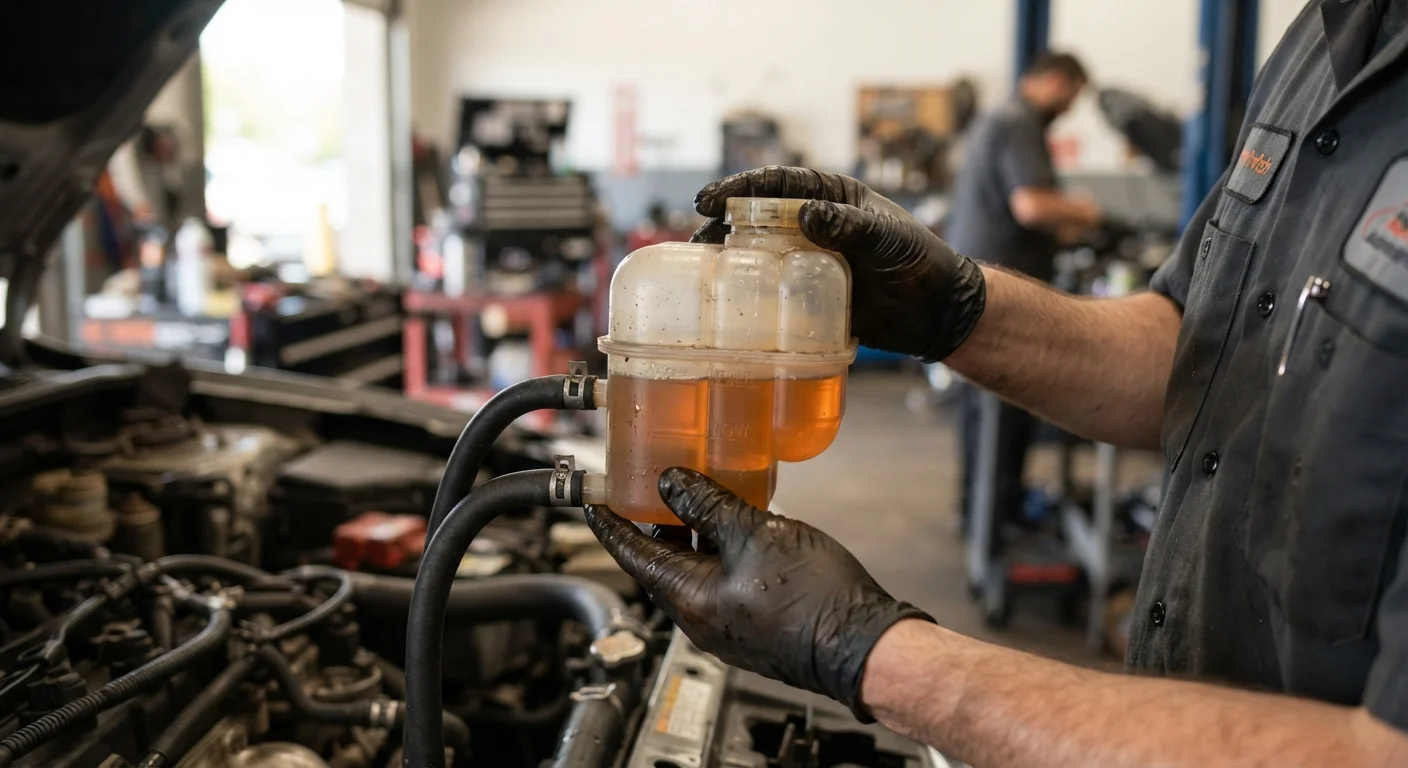
Check the translucent overflow reservoir when the engine is cold - never open the radiator cap on a hot engine, as pressurized coolant can cause serious burns. The level should sit between the MIN and MAX marks. Color alone is not a reliable indicator of coolant condition; test strips or a refractometer can assess freeze-point protection and inhibitor depletion. Before assuming a color change means replacement is needed, review common coolant flush misconceptions.
Brake Fluid
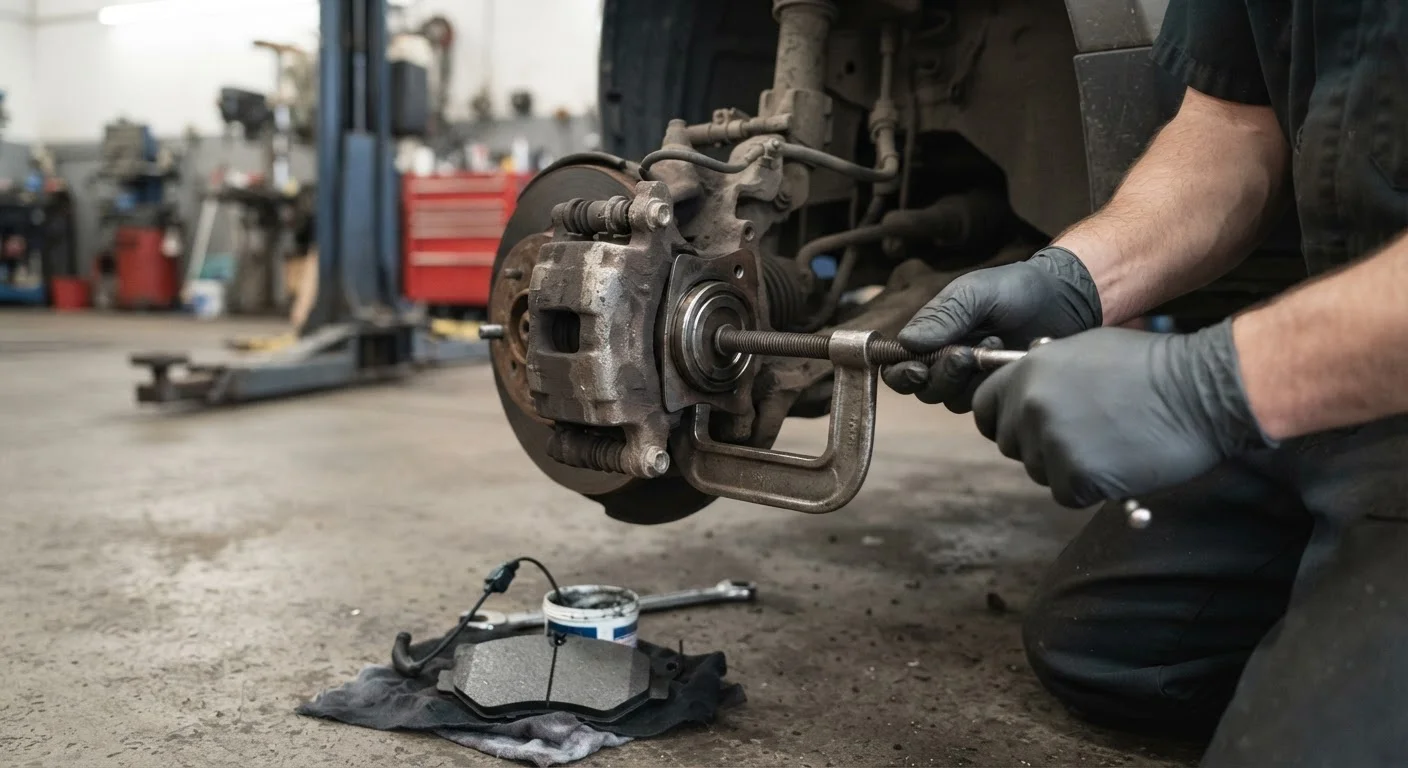
The brake fluid reservoir is typically a small translucent plastic container near the firewall. The level should be between MIN and MAX markings. Brake fluid is hygroscopic - it absorbs moisture over time, which lowers its boiling point and can contribute to a spongy pedal feel. A significantly low level may indicate worn brake pads or a leak; if the latter, have the system inspected promptly. For broader context on brake system aging, see brake system maintenance basics.
Power Steering Fluid
Many modern vehicles use electric power steering and have no hydraulic fluid reservoir. On vehicles that do, there is typically a reservoir with a dipstick or MIN/MAX markings on the side. Check with the engine warm. Consistently low levels suggest a leak that should be diagnosed rather than simply topped off repeatedly.
Transmission Fluid
Some transmissions have a dipstick (check warm, engine running, in Park or Neutral per your manual); others are sealed units that require lift access for inspection. Healthy transmission fluid is typically red or pink and has a slightly sweet smell. Dark color, a burnt smell, or visible particles are warning signs. Many manufacturers specify extended drain intervals for sealed units, but this varies considerably - owner's manual guidance takes priority.
Windshield Washer Fluid
The only fluid safe to check and top off at any time, washer fluid uses a clearly marked reservoir. Use a solution rated for the lowest temperatures in your area to prevent freezing in the reservoir or lines.
Hygroscopic
A property of certain fluids, including brake fluid, that causes them to absorb moisture from the surrounding air over time. Moisture absorption degrades the fluid's performance and lowers its boiling point.
Dipstick
A long, thin metal rod inserted into a fluid reservoir - most commonly the engine oil sump or transmission - used to measure fluid level and assess condition by color and texture.
Inhibitor Depletion
The breakdown of chemical additives in coolant that prevent corrosion, scale, and foam buildup inside the cooling system. Depleted inhibitors reduce coolant effectiveness even if the fluid level appears normal.
Sealed Transmission
A transmission design where the fluid is not accessible via a standard dipstick and is intended to last extended intervals without routine changes. Inspection typically requires specialized tools or lift access.
Freeze-Point Protection
The temperature at which coolant in the radiator would begin to freeze. A refractometer or test strip measures this value to confirm the coolant mixture is adequate for local winter conditions.
Building a Fluid Check Habit
A practical approach is to incorporate fluid checks into a monthly routine or tie them to each fuel fill-up. Many technicians recommend a quick visual scan every 1,000 miles as a baseline. Keep a small flashlight in your glovebox - reservoir markings can be hard to read in low light. If any fluid is consistently low between checks, that's a diagnostic signal, not just a maintenance task.
For drivers building broader home-mechanic skills, fluid checks are a natural starting point within a wider DIY vehicle maintenance framework. They require no special tools, carry minimal risk when done correctly, and deliver immediate insight into your vehicle's health. When a check reveals an anomaly - discoloration, an unusual smell, or a level that keeps dropping - that's the cue to investigate further or consult a qualified mechanic before a small issue grows into a costly repair.
This article provides general educational information about vehicle fluid maintenance. It is not a substitute for your vehicle's owner's manual or the advice of a qualified automotive technician. Procedures and specifications vary by make, model, and year.