The Real Math Behind 'Saving' on Maintenance
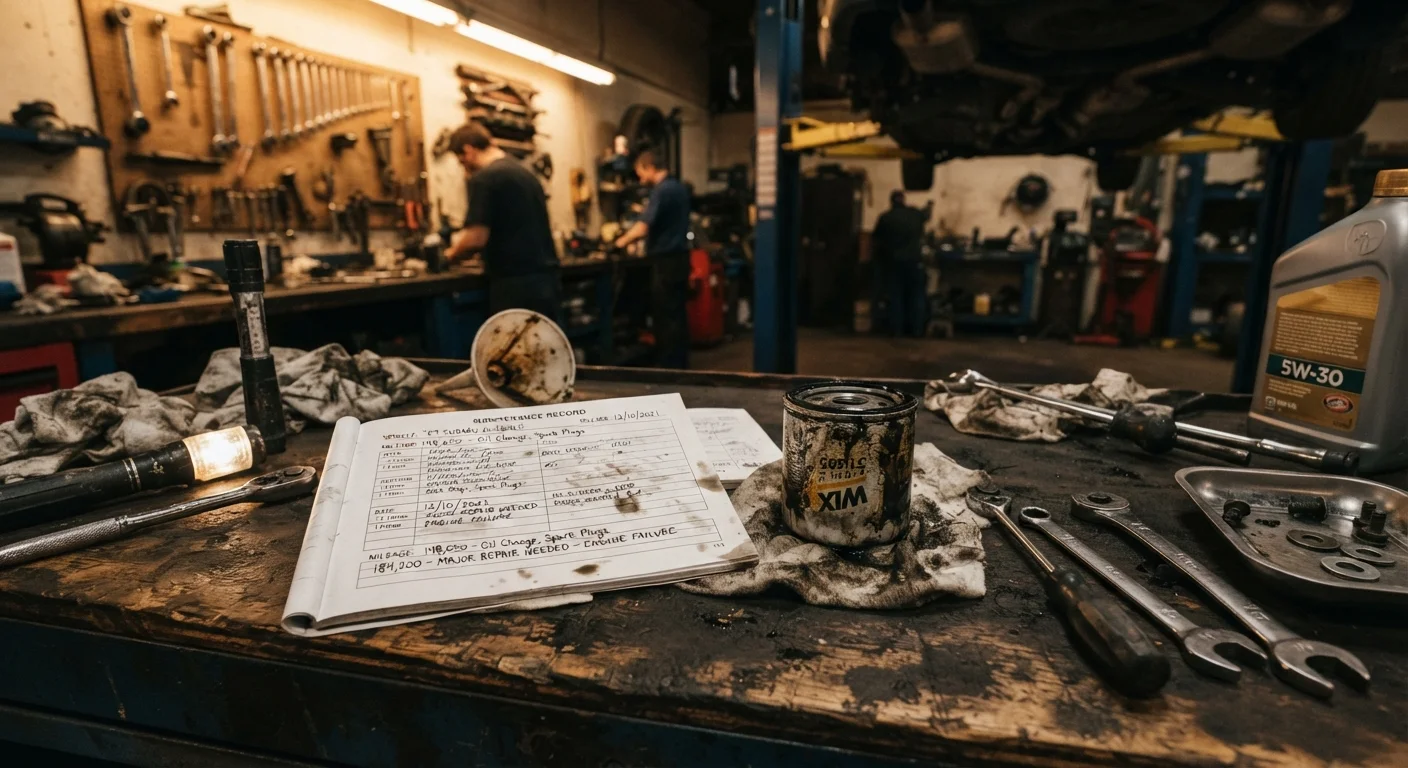
It's tempting arithmetic: skip a $90 oil change, pocket $90. But vehicle systems don't operate in isolation. Engine oil that's overdue breaks down, loses viscosity, and stops protecting bearing surfaces. What started as a deferred $90 service can escalate into a $3,000-$6,000 engine repair - or worse, an engine replacement. The short-term saving evaporates, and the loss is compounding.
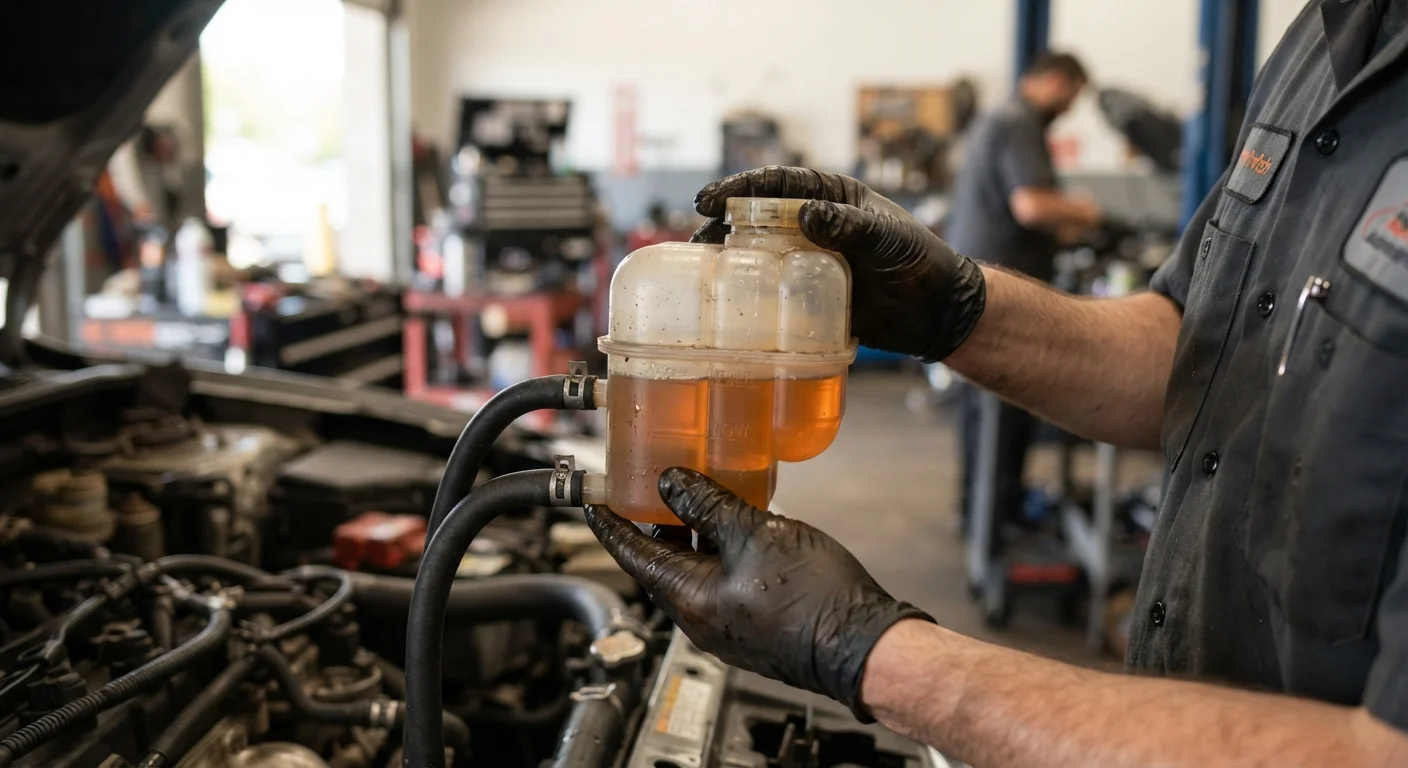
This pattern repeats across nearly every service interval on a modern vehicle. Coolant that's not flushed on schedule becomes acidic and corrodes aluminum components. Brake fluid left too long absorbs moisture and lowers its boiling point, increasing fade risk under heavy braking. Transmission fluid that's never changed shears and contaminates, accelerating clutch pack wear.
Preventive maintenance compared to reactive repairs consistently shows that scheduled upkeep costs a fraction of the repairs that follow neglect. Understanding why the mistakes happen is the first step toward avoiding them.
Extending oil change intervals well beyond the manufacturer's specification.
Why it happens: Modern synthetic oils and longer factory-specified intervals lead some owners to assume the interval is conservative and can be stretched further.
Ignoring coolant and transmission fluid flush intervals because the fluid 'looks fine.'
Why it happens: Fluid degradation is chemical, not always visible. Coolant that appears clear can still be acidic enough to corrode aluminum heads and water pump housings.
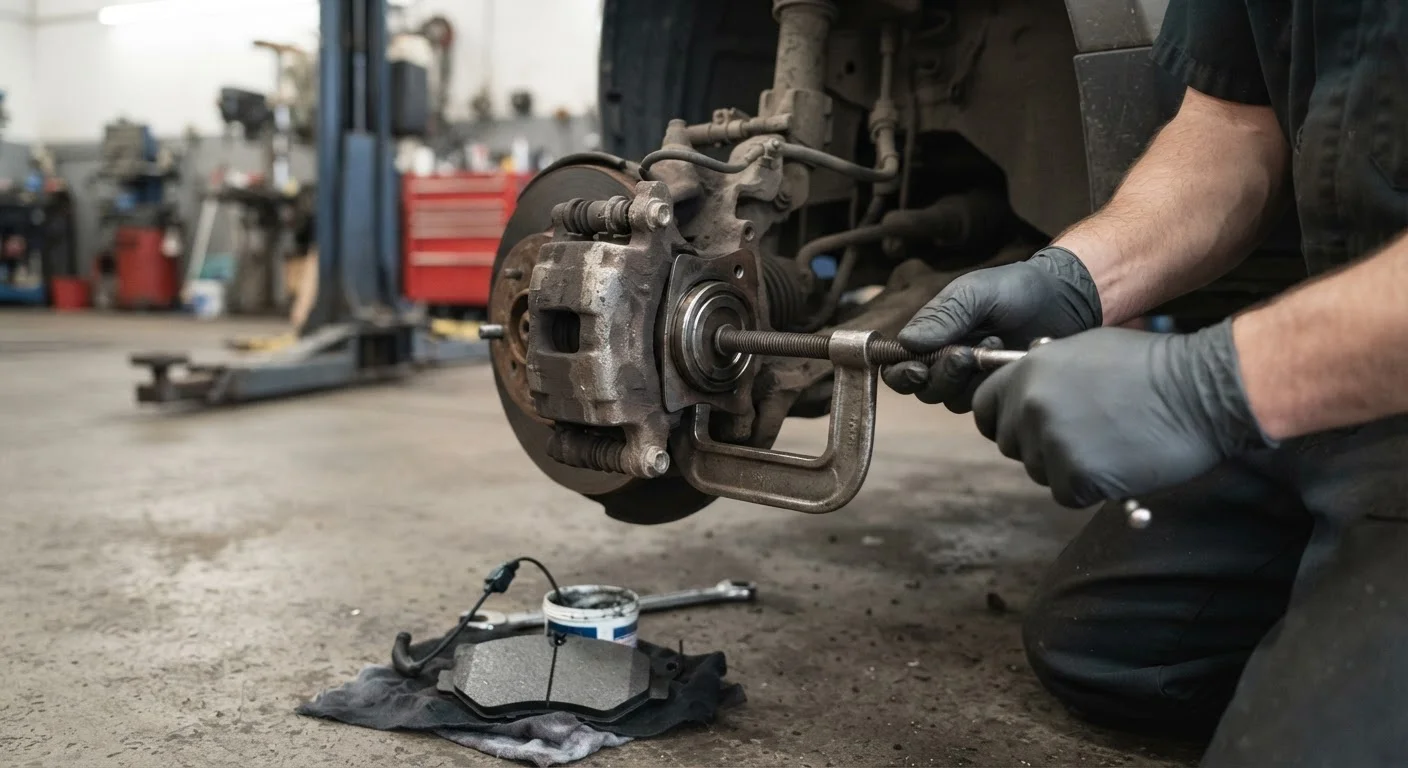
Delaying brake pad replacement until metal-on-metal contact occurs.
Why it happens: Brake wear is gradual, and many owners wait for the audible squeal indicator rather than proactively inspecting pad thickness.
Skipping timing belt or chain inspection and replacement at the specified mileage.
Why it happens: Timing belt replacement is expensive, and because the belt is not visible during routine checks, owners underestimate failure risk.
Not replacing the cabin and engine air filters on schedule.
Why it happens: Air filter replacement feels minor, and its effect on performance or fuel economy isn't immediately perceptible.
How Neglect Affects Resale and Long-Term Ownership Value
Deferred maintenance doesn't only damage mechanical systems - it damages the vehicle's value on paper. A buyer or dealer inspecting a vehicle with incomplete service records has every reason to discount their offer, because they're now pricing in unknown risk. A full, documented service history removes that uncertainty and supports the asking price.
Vehicle depreciation affects long-term ownership costs in ways most owners underestimate, and a poorly maintained vehicle depreciates faster than one with consistent records. The same principle applies to classic vehicles: hidden costs that erode a classic restoration's return often begin with deferred maintenance that was never caught before restoration began.
Incomplete Records Are Hard to Recover From
Once a service interval is skipped and undocumented, the gap in your maintenance history is permanent. Even if subsequent services are performed on time, a missing entry raises questions for future buyers and inspectors. Keep physical or digital copies of every service receipt, including oil changes, fluid flushes, and filter replacements.
For owners weighing whether a scheduled service plan or ad-hoc approach makes sense financially, scheduled servicing versus pay-as-you-go maintenance covers the trade-offs in detail. And if you're looking at the broader picture, principles for keeping long-term ownership costs under control offers a solid framework regardless of vehicle type.
4-9×
Reactive repair cost vs. preventive service cost
Industry estimates consistently show that unplanned repair costs are several times higher than the scheduled services that could have prevented them.
~30%
Resale value loss from incomplete service records
Automotive market data indicates buyers and dealers commonly discount offer prices significantly when full service documentation cannot be provided.
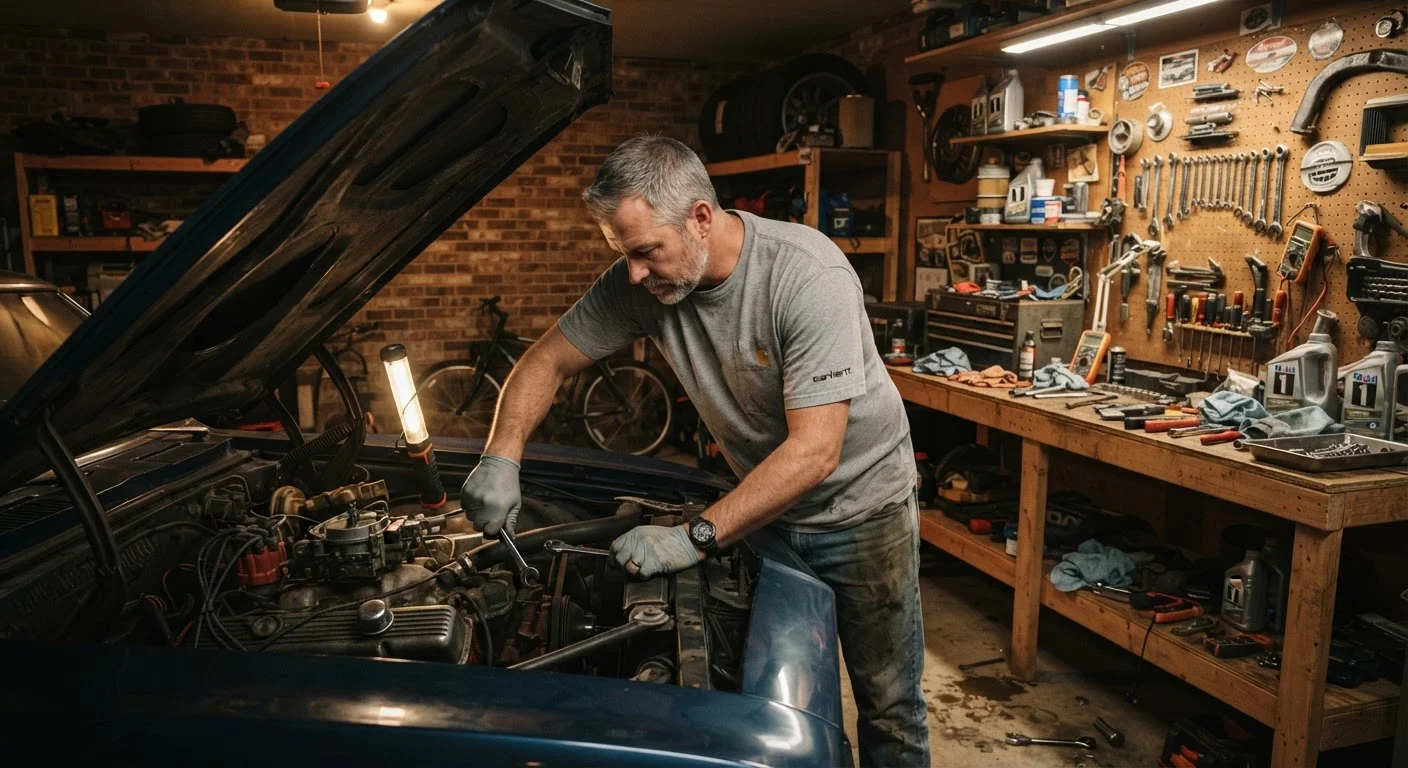
For owners comfortable with basic tools, DIY repair guides can make routine services more affordable - but knowing the limits of what to tackle yourself versus when a qualified mechanic is warranted is itself part of responsible maintenance practice.
This article is for general informational purposes. Always consult your vehicle's owner's manual and, where appropriate, a qualified mechanic for service decisions specific to your vehicle.