Why Two Separate Intervals Exist
Vehicle manufacturers publish maintenance schedules that reference two independent triggers: a mileage figure (such as every 5,000 or 7,500 miles) and a time figure (such as every 6 or 12 months). The instruction is typically to service the vehicle at whichever threshold arrives first - not the one that is most convenient.
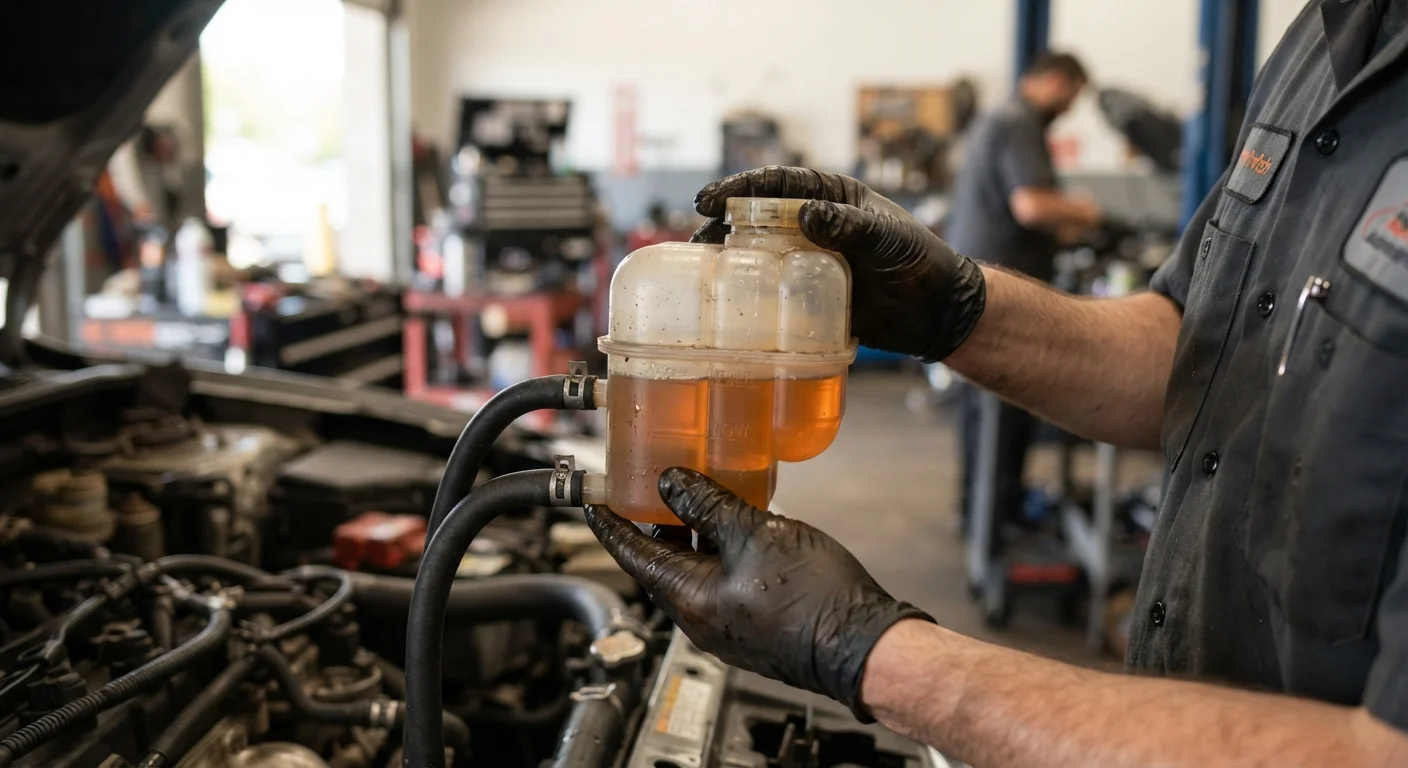
These two triggers exist because vehicle components deteriorate through fundamentally different mechanisms. Usage-driven wear accumulates in proportion to engine revolutions, heat cycles, and friction - all of which scale with miles traveled. Time-driven degradation, by contrast, is chemical and environmental: motor oil oxidizes, brake fluid absorbs moisture, coolant loses its pH buffering capacity, and rubber seals dry out whether or not the vehicle moves. Relying on only one trigger type means the other form of degradation goes unmanaged.
See how to read your owner's manual effectively for guidance on locating and interpreting the specific schedule for your vehicle.
| Criterion | Mileage-Based Intervals | Time-Based Intervals |
|---|---|---|
| Primary trigger | Odometer reading | Calendar months elapsed |
| Degradation mechanism addressed | Friction, heat cycles, combustion byproducts | Oxidation, moisture absorption, chemical depletion |
| Most relevant for | High-mileage, frequent drivers | Low-mileage, stored, or seasonal vehicles |
| Key services governed | Oil, filters, brake pads, transmission fluid | Brake fluid, coolant, belts, rubber hoses |
| Risk of ignoring | Accelerated wear on high-friction components | Chemical degradation, corrosion, rubber failure |
| Owner tracking method | Odometer log per service | Date log per service |
When Mileage Is the Governing Factor
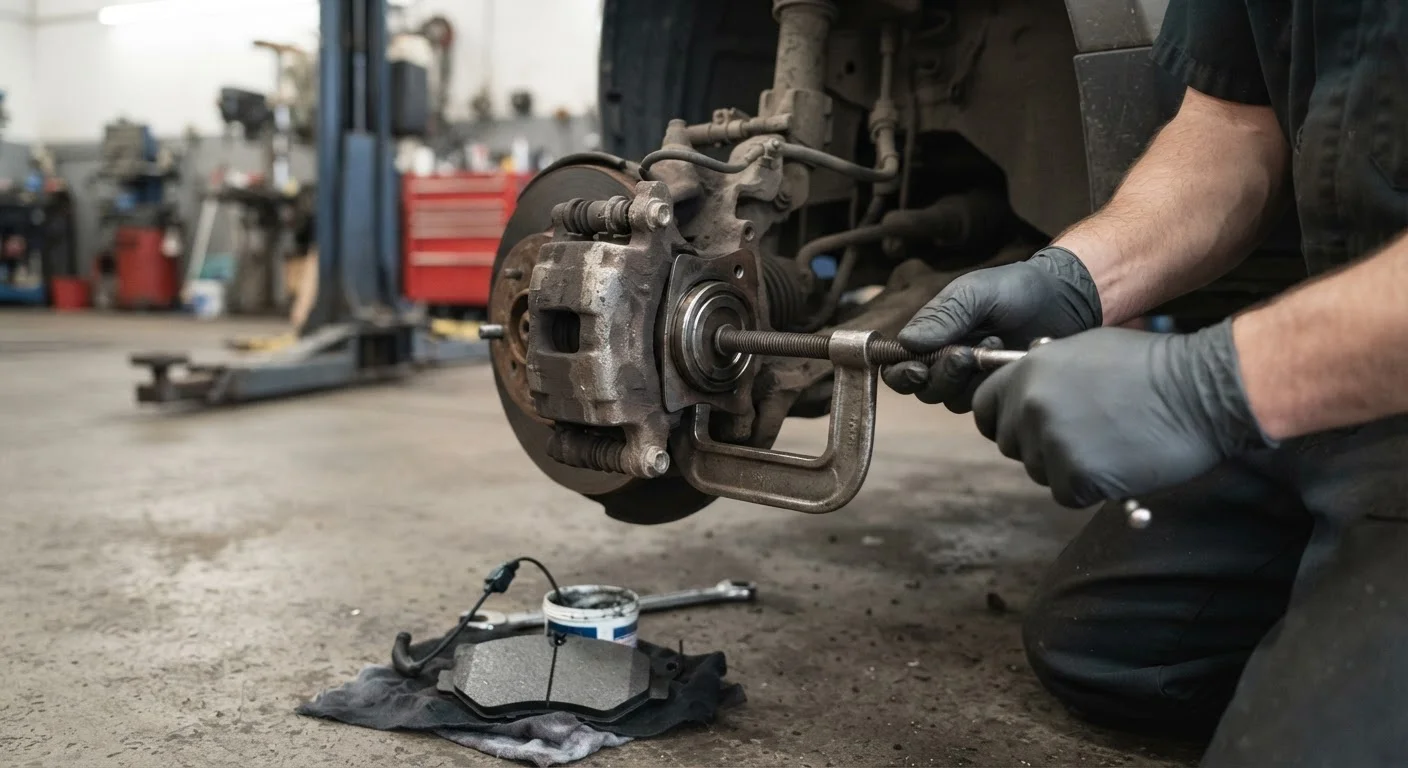
For drivers who put significant miles on their vehicles annually - generally above 12,000-15,000 miles per year - mileage thresholds tend to arrive well before calendar deadlines. Engine oil accumulates combustion byproducts, soot, and acids in direct proportion to use. Transmission fluid shears down under load. Air filters clog with particulates. Brake pads wear at a rate tied closely to how often and how hard the vehicle stops.
Manufacturers typically offer two tracks within a mileage-based schedule: normal and severe duty. Severe-duty conditions - defined by most OEMs as frequent short trips, towing, trailer use, dusty environments, or extended idling - shorten the recommended mileage interval because those conditions accelerate wear beyond what a straightforward highway mile produces. If your driving profile includes any of these factors, apply the shorter interval.
~7,500 mi
Typical modern oil change interval (normal duty)
Many current OEM schedules specify 7,500-10,000 miles for full-synthetic oil under normal driving conditions, though severe-duty schedules often shorten this to 5,000 miles or fewer.
2 years
Common brake fluid replacement interval by time
Many manufacturers recommend replacing brake fluid every two years regardless of mileage, due to its hygroscopic nature and the safety implications of moisture-contaminated fluid.
5 years / 60,000 mi
Typical timing belt replacement threshold
Timing belt intervals commonly carry both a mileage cap and a time cap - whichever arrives first - because rubber degrades chemically even on low-mileage vehicles.
For parts that wear fastest, several commonly overlooked components operate on mileage-based schedules that owners frequently miss.
When Time Is the Governing Factor
A vehicle that travels only 4,000 miles in a calendar year may never trigger a mileage-based service interval - but its fluids have still aged 12 months. Motor oil, even unused, absorbs moisture and begins to oxidize. Brake fluid is hygroscopic, meaning it pulls water vapor from the atmosphere through microscopic pathways in rubber hoses; elevated water content lowers its boiling point and promotes internal corrosion. Coolant's corrosion inhibitors deplete on a chemical timeline, not a mileage one.
Time-based intervals are especially critical for RVs, campers, stored classics, and second vehicles that sit for extended periods. For a practical framework on managing this for seasonal vehicles, a full-year RV maintenance calendar illustrates how time-anchored service fits into a structured annual plan.
Stored Vehicles Still Need Scheduled Service
A vehicle kept in a garage for six months or more may have very few miles added, but several time-sensitive services can still come due. Brake fluid, engine oil, and coolant all have chemical shelf lives once in service. Before returning a stored vehicle to regular use, check time-based intervals alongside the odometer - do not rely solely on mileage to determine what needs attention.
Rubber components - belts, hoses, coolant lines - are particularly time-sensitive. Even low-mileage belts can develop surface cracking and internal degradation after several years of heat cycling, ozone exposure, and age. Timing belts in particular carry manufacturer replacement intervals that include a time limit alongside a mileage cap for exactly this reason.
Using Both Intervals Together
The practical approach is straightforward: track both the odometer reading and the date of your last service for every item on your maintenance schedule. When either threshold is reached, perform the service. This dual-trigger method is what manufacturers design their schedules around, and it protects against both usage-driven and time-driven deterioration simultaneously.
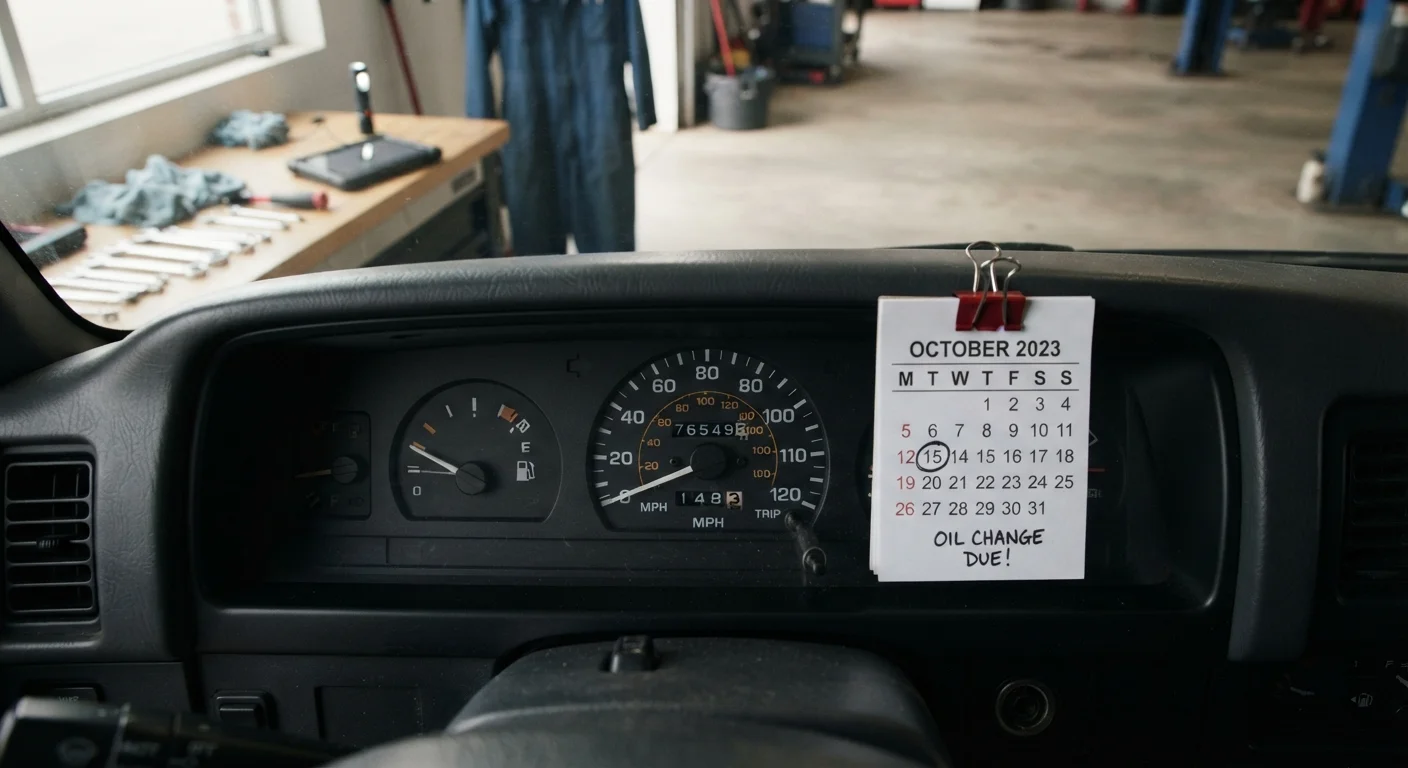
Keeping a simple log - even a note in the glove compartment or a spreadsheet - makes this manageable. Record the mileage and date for each service performed. Before each service, check which items are due by mileage, which are due by calendar, and which are due by both. This eliminates guesswork and ensures nothing slips through.
Deferring scheduled maintenance - whether mileage-triggered or time-triggered - tends to compound into more significant repair costs over time. Staying current with both interval types is one of the most consistent ways to protect the long-term reliability and value of any vehicle.
For a broader look at the financial trade-offs involved in different maintenance approaches, see preventive maintenance vs. reactive repairs.